By Lyubov Tmanova, MLIS
Research Librarian
Darnall Medical Library
Walter Reed National Military Medical Center
Bethesda, MD
Abstract
Objectives: This study aimed to design information support for medical residents engaged in research. It also sought to assist GME program leaders in enhancing GME programs trainees’ research skills and competencies by providing advice on research quality and evaluating scholarly research.
Methods: The study employed a qualitative research design to assess the scholarly publications of GME trainees and the Walter Reed National Military Medical Center (WRNMMC) scholarly community. Based on environmental scan and data analysis findings, two research projects, Research Quality Advisory (RQA) and Research Information and Education Advisory (RIEA), were developed.
Results: The study identified publication trends of GME trainees and the WRNMMC scholarly community. These findings were instrumental in enhancing library research support for GME program leaders and implementing research information mentorship in GME programs. Additionally, the data accelerated the development of a specialized guidance program to support medical residents in research and scholarly communication.
Conclusions: This study addresses the research gap in scholarly mentorship. A model integrating information, specialized support, and educational intervention has been developed in this study to improve information and research literacy in GME trainees. An Academic Research Advisory (ARA) initiative and research intervention models effective for research mentorship and collaborative educational effort of GME program directors and research librarian are highlighted. Additionally, recommendations for integration of research support and mentorship in military setting are included. The findings of this study will shape future strategies to enhance medical residents’ skills and competencies in information and research literacy.
Disclaimer: The views expressed in this manuscript are those of the author and do not necessarily reflect the official policy of the Department of War or the U.S. Government. The identification of specific products or scientific instrumentation is considered an integral part of the scientific endeavor and does not constitute endorsement or implied endorsement on part of the authors, DOW or any component agency.
Introduction
Scholarly research by postgraduate trainees in graduate medical education (GME) programs is correlated with their education, training, and mentorship (Donley et al., 2024). Formal and informal methods enhance mentorship quality, mentor–mentee matching, and the mentoring experience (Cohee et al., 2015; Liang et al., 2022). GME program directors (PDs) use various mentorship models to enhance residents’ and fellows’ scholarly research and publication rates (Amonoo et al., 2019; Hall et al., 2023; Liang et al., 2022). However, due to the varied needs of mentees and the boundaries of dyadic mentor–mentee relationships, such models can challenge research and scholarship in GME programs (Amonoo et al., 2019. Furthermore, diverse models contribute to varied outcomes and the efficiency of mentor–mentee relationships.
During GME residencies or fellowships, trainees must conduct scholarly activities, publish articles, and present research to meet Accreditation Council for GME (ACGME) requirements and complete their specialty training (ACGME, 2023, 2024; Foppiani et al., 2024). The development of theoretical and practical specialty knowledge, research skills, and competencies is crucial for trainees to obtain their GME scholarship (Anderson et al., 2021; Baffy et al., 2019; DePietro et al., 2018; Dess & Wilson, 2019; MacFarlane, 2002). Although residents and fellows undergo rigorous training in their postgraduate years (PGYs) 1–7, scarce information support for research and scholarly publication in GME programs likely causes trainees’ academic research and performance to decline (Anderson et al., 2021; DePietro et al., 2018; Tu et al., 2021). Similarly, the gap in residents’ and fellows’ research skills and competencies and the variety of mentoring models, inefficacy, and lack there of impact trainees’ scholarship and professional development. Thus, reduced information and research literacy affect scholarly research and overall scholarship’s quality. This problem might occur when postgraduate trainees are admitted to residency programs where lacking mentorship during consecutive PGY years has caused reduced research productivity (Bobel et al., 2021; Schroeder et al., 2020). Although various approaches are adopted by GME leaders to enhance research readiness, they have been impacted by trainees’ state of research and information literacy knowledge, skills, and competencies (Al-Hajj et al., 2021; Goldhamer et al., 2022). The gap in their research skills is most likely associated with the absence of research information mentorship in GME programs. This study aimed to design an informational and research intervention for GME programs to combat GME trainees’ deficiencies.
Methods
Environmental scan, A3 Lean Leader Sigma (LLS), and scientometric methods were used to evaluate the library’s scholarly support, scholars’ publications to design research quality, and information advisories and to advance the library’s scholarly support for GME programs. GME trainees’ scholarly activity publication served as a measure of their research and information skills and efficacy in conducting and publishing research in their specialties. Articles published by Walter Reed National Military Medical Center (WRNMMC) researchers and GME trainees were included to assess GME programs’ research development and identify potential mentors for trainees. Because WRNMMC was established in 2011 and the library’s scholarly activity support for GME programs began in 2019, the inclusion of published articles from 2012–20 and assessment of GME scholarly activity was based on available data from 2019–23.
Environmental Scan
Environmental scans consisted of (a) an evaluation of scholarly activity and research publication by WRNMMC researchers and GME trainees; and (b) a scholarly activity support need assessment. The authorship of scholarly articles published during 2012–20 was determined through author-affiliation search in literature databases. Similarly, GME trainees’ scholarly research during 2019–23 was evaluated. Author citations were used to measure scholars’ and trainees’ research productivity, citation impact, and collaboration.
Questionnaires were used to assess the library’s and GME PDs’ scholarly activity support. Four questions on scholarly activity practice were sent to 50 GME PD to evaluate scholarly activity.
A3 LLS
The A3 LLS approach was used to assess the library’s services in scholarly activity evaluation for GME programs. LLS tools like Supplier Input Process Output Customer, Process Map, Process Flow, and Value Stream Map were used to assess support for scholarly activities.
Publication Evaluation
Publication indicators, such as the number of authored articles, article citations, and copublication, were used to understand scholarly research publication (Haeffner-Cavaillon & Graillot-Gak, 2009). An author-affiliated search was conducted in PubMed and Web of Science to identify peer-reviewed articles. Science of Science (Sci2) was used to evaluate identified research articles (Sci2 & Team, 2009) and design collaboration and word cooccurrence networks (Belter, 2013).
Results
Publication Evaluation
WRNMMC publication evaluation. The initial assessment of the WRNMMC publication, presented by a research librarian in 2015 to the Department of Research Programs, spurred an interest in evaluating researchers’ scholarly publications and contributed to the WRNMMC Department of Medicine Annual Reports (2016–18). Similarly, collections of National Intrepid Center of Excellence (NICoE) authored publications (2011–22) and WRNMMC-affiliated researchers’ authorship of scholarly articles during 2012–20 were created under information liaison and collaboration with the NICoE Research Department.
Additionally, WRNMMC researchers’ scholarly productivity, citation metrics, and collaboration among clinicians, trainees, and researchers were evaluated by examining published articles from 2012–20. Topical analysis was performed to identify research areas in published articles from 2012–19. A random selection of 500 citations formed the basis for this exploratory examination. Prevalent topics were traumatic brain injury (TBI) in the military population, cancer studies, treatment outcomes, and development of new diagnostic tests.
GME trainees’ scholarly activity assessment. An assessment of GME trainees’ scholarly research was conducted yearly for 15 GME programs during 2019–23. Fifteen ACGME scholarly activity report forms were created after identifying trainees’ citations.
GME program scholarly research evaluation. GME trainees’ scholarly research over five and 10 years was evaluated to understand publication productivity, research impact, and collaboration patterns in the Radiation Oncology, Diagnostic Radiology, and Obstetrics and Gynecology GME programs. For each program, narrative reports that contained their research productivity, citation impact, and collaboration pattern were designed.
Publication evaluation outreach. Education outreach was conducted to inform GME leaders and PDs about evaluating scholarly research and publication and increase awareness of research evaluation’s benefits. This outreach introduced the concept of research quality, benefits, and the Research Quality Initiative’s structured model as an advisory to GME leadership. The WRNMMC publication evaluation results and implementation of the scholarly activity assessment and research quality evaluation for GME programs were presented by the research librarian to GME PDs at the 2021 Graduate Medical Education Council meeting.
Publication Tracking Initiative
Questionnaires. The response rate was 6%. The obtained data indicated that most GME PDs collect trainees’ publication information themselves or by having trainees inform them. Only a few program leaders sought the library’s assistance in identifying trainees’ published articles.
GME trainee publication tracking initiative. An initiative for tracking GME scholarly research was introduced to support the identification of research articles published by GME trainees. The Lean Six Sigma method served as groundwork for commencing said initiative. Publication evaluation involved obtaining a request to assess scholarly publications from the requester, identifying published articles, creating a citations report, and submitting it to the requester. Scholarly Activity Request (SAR) submission requests, tracking, and report forms were designed to streamline scholarly activity assessments. To track SARs (submitted to the library every year in May/June by program leaders), a publication tracking archive was created. Then, PubMed and other databases were searched to identify scholars’ citations. Once citations are were identified, reports were designed and submitted to GME PDs within 2–5 days of receiving the request.
GME program authorship. After the publication tracking initiative had been introduced to program leaders, 20 SARs were obtained to assess trainees’ scholarly publications during 2020–23. Fifteen GME programs were used for assessing students’ publication productivity and patterns. Trainees’ academic activity during 2020–23 was evaluated (Fig. 1-3). The researches outcome was mostly one-article per year, while a few trainees published two or three. The research authorship averaged 26% for 15 GME programs and 258 trainees for 2019–23 (Fig. 3).
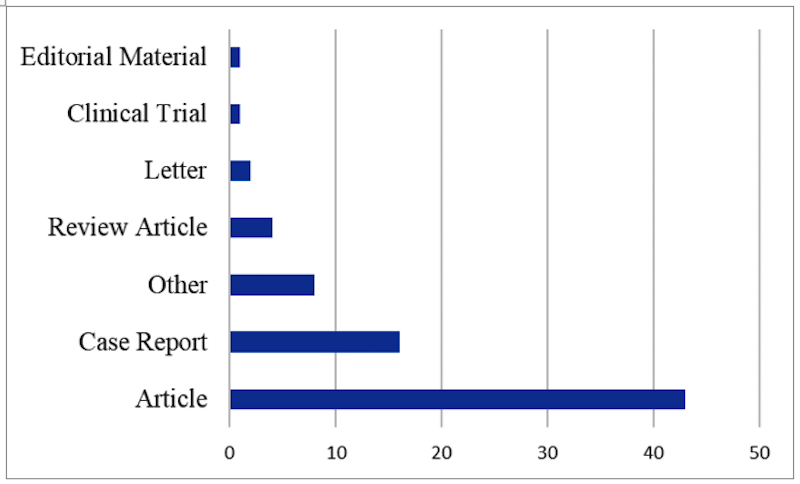 Fig. 1. GME trainees’ publication types in 2021–2023.
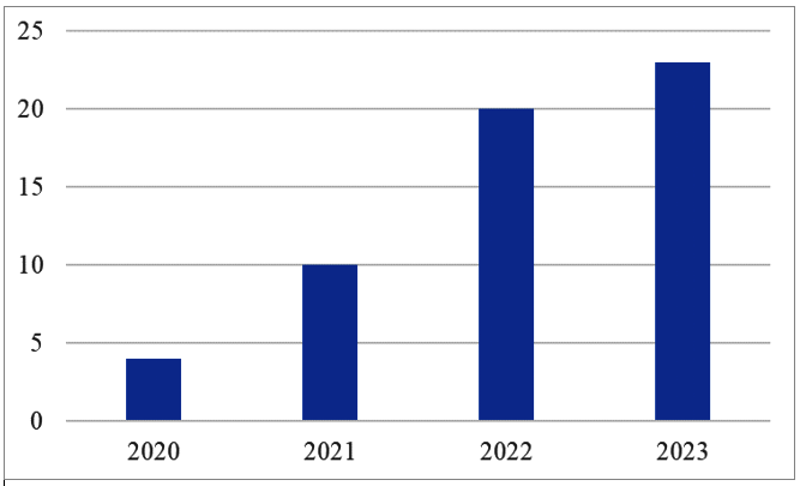 Fig 2. GME trainees’ publication productivity in 2020-2023.
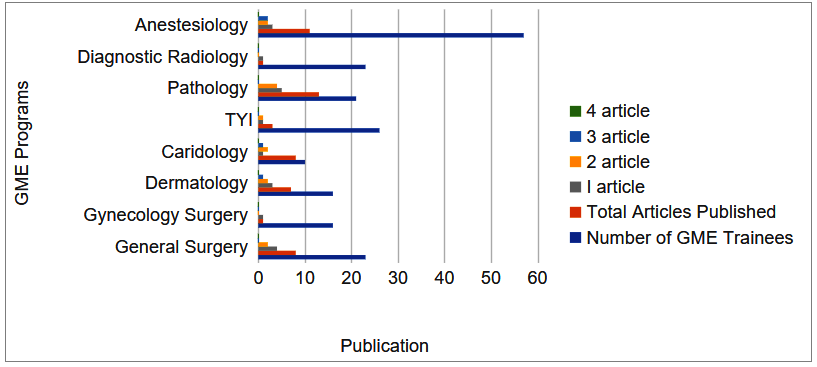 Fig 3. Publication frequency in GME programs in 2022 and 2023 (PGY and Fellowship Year).
Advisory is as an educational program designed to consult GME leaders on scholarly research and education in order to enhance scholarly research and education. The advisory highlights the synergetic partnership between librarian and GME leaders (education chief, program director) in advancing education through the informative process utilizing a set of consultative programs such as scholarship (scholarly activity), research development, education, and mentorship. Leading and/or partnering with GME program director on evaluation of GME trainees’ scholarly activity and research productivity provide program directors with research analytics pertinent to their program key scholarly research assessments and evaluation outcomes. The insight obtained assessments is useful for a research development in GME programs where identification of prospective scholarly research topics in GME programs, research impact evaluation, and identification of potential mentors for trainees and junior researchers are emphasized. The librarian’s expertise is foundational in evaluation of scholarly research to inform the GME PDs on research development in specialty program, trainees’ scholarly productivity, skill set advancement (e.g., information, research, digital skills), and information mentorship in GME specialty programs. Furthermore, they can evaluate the effectiveness of educational training and assess the quality of research contributing to educational decision and providing guidance on advancement of scholarly research in GME programs. Research librarians can be involved as partners in a strategic planning in education focused on skills and competencies development as well as information mentors for GME trainees in scholarly research and publication. Thus, advisory emphasizes a set of information services, librarian expertise, and partnership with GME PD in advancement of scholarly research and education in GME programs.
The Research Quality Advisory (RQA) designed in this study is a pilot initiative that introduces research quality as an approach for enhancing trainees’ scholarship performance and fostering education, and mentorship (Fig. 4, Table 1). It also provides a new value concept for integrating research librarian’s as key specialists into the GME leadership team and assisting residents in their quest for scholarship and education quality improvements.
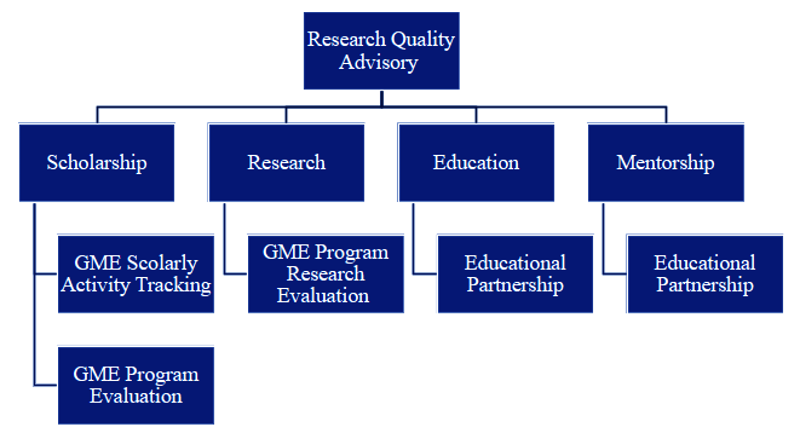 Fig. 4. Research Quality Advisory Support Structure.
RQA emphasize the research analytics and consulting on publication, research topics, and metrics as approach to meet educational objectives and research readiness in GME programs. The design of GME research support is outlined in S2. RQA also contributes to the design of consultative and partnership programs providing support to GME program directors on a) scholarly research (scholarship); b) research development in GME programs; c) education; and d) mentorship. The scholarly research program supports an assessment of scholarly activity in GME programs using scholarly activity tracking service. The research development supports evaluation of GME programs and guides program directors in a prospective specialty-specific topics for scholarly research in their programs. The education support emphasizes educational partnership with program directors to enhance curriculum and scholarly research. Mentorship advisory focuses on enhancement of trainees’ research skills emphasizing the scholar-practitioner approach to clinical practice.
The RQA comprises information education and research quality analytics. The research quality information guide, methodology, research and SAR forms, and evaluation advisory were designed and implemented. The Sci2 and Gephi analytical software packages and other open-source scientometric and statistical packages were used for evaluation. The Research Quality Narrative (RQN) was designed following GME PDs’ request to assess the value and benefit of authors’ scholarly publications (e.g., research productivity, collaboration patterns, and research/clinical/citation impact). Three RQN reports were designed to assess GME trainees’ scholarly productivity over five and 10 years. Research productivity and impact varied among programs. Authorship among trainees ranged from no articles to one or a few.
Table 1. Recommendations to GME program leaders and program directors:
| 1. Scholarly Activity Tracking. | By tracking scholarly activity, GME program directors can also evaluate the impact of research on the overall educational experience and professional development of trainees and faculty. Research librarians can advocate for implementing the GME Publication Tracking for Graduation (PTG) in military medical libraries to evaluate scholarly activity by streamlining library and scholarly activity governance and supporting GME program directors. |
| 2. Research Quality Advisory. | Evaluating the quality of research in GME programs is crucial for ensuring their effectiveness and relevance. Criteria such as publication impact, study design, and methodology allow GME program directors to make informed decisions about the program's direction and areas for improvement. Research librarians can promote collaboration for research quality evaluation with GME program leaders and champion the integration of the Research Quality Advisory in GME. |
| 3. Research mentorship. | Bridging GME program directors and research mentors with librarian research information mentorship can foster research curiosity and identification of areas of additional support for program directors by evaluating the impact of research and the overall educational experience and professional development of trainees and faculty. Research librarians can champion the information and education interventions in GME programs. Further, an information framework for research readiness and literacy intervention and a scientist-clinician collaborative model supports the integration of librarian research mentorship in GME programs to enhance research and education. Thus, the research librarians are experts in information sciences and possess the skills and competencies to serve as research mentors to GME trainees to meet ACGME research requirements. |
Research Intervention
Information & Education Intervention. An Academic Research Advisory (ARA), consisting of a Research Information Advisory (RIA), a Research Advisory (RA), Education Advisory (EA), and RQA, was designed to enhance GME scholarly research (Fig. 5, Brochure S1).
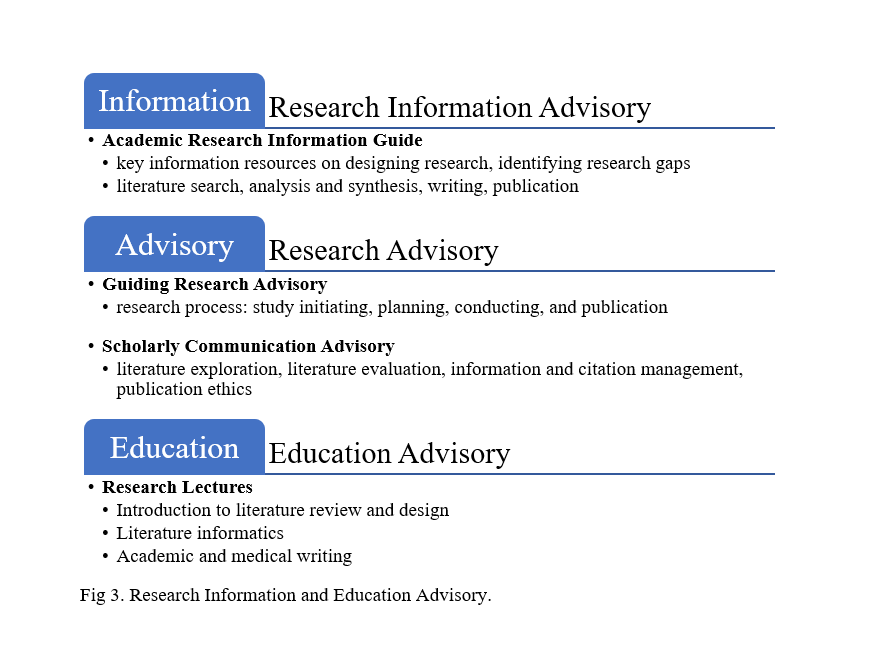 Fig. 5. Research Information and Education Advisory.
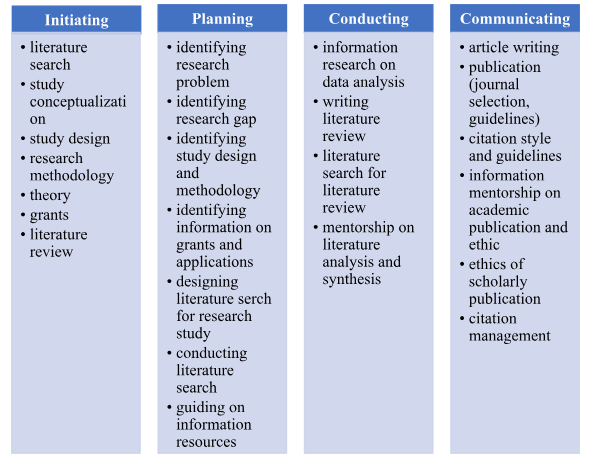 Note: Research guidance is provided during the research process steps of initiating, planning, conducting, and communicating research.
Fig 6. Research Process: Research Guiding in Research Conducting Steps.
Academic Research and EA (AREA). The AREA, consisting of information guides, research guidance, and instruction, was designed to enhance research, information, and research literacy in GME postgraduate trainees (Brochure S1). The guide provides resources for research and scholarly publications, while the research guidance includes study design and multidisciplinary consulting. Instructions include research lectures and projects, taught as part of library classes and GME didactics (Brochure S1).
Specialized Research Intervention
Research information model. The ARA’s design reinforces the integration of an interdisciplinary approach for information discovery, integration, and innovation in GME research, clinical care, and specialty. Furthermore, GME programs foster information and research literacy through the designed RIA, RA, and EA while providing information and research guidance for postgraduate trainees in research design, review of literature reviews, and scholarly communication (Brochure S1).
RIA: The RIA consists of information resources centered on a research process comprising conceptualizing, planning, conducting, and publishing. These guides provided information and guidance on research for 5,764 users (01/2020–09/2023). Subject-specialty guides in TBI research, radiology, and evidence-based radiology enhanced access for 12,328 users to specialty research databases, educational resources, training on literature informatics, and scholarly research from January 2020 to September 2023. Guides on ethics in research and medicine provided information resources to 178 users (01/2022–09/2023).
RA: The study piloted from January to September 2023 provided comprehensive assistance to 24 residents and fellows in literature reviews, research gap identification, data analysis, writing, and publication (Fig. 6); 95 consultations were conducted to enhance manuscript writing, citing, and publication ethics. Information consulting, mentorship, and advice were provided to researchers. Requests for information support were highest during the conceptualization, conducting, and publication steps. Literature reviews (18), literature searches (10), literature search design (4), data analysis (5), and article writing (5) were the most requested in the research guiding pilot initiative. Prevalent information assistance varied from one to three research process steps simultaneously using research guidance requests.
EA: The library class information guide and research lectures were designed by the research librarian to provide information about classes to potential attendees and GME trainees. The library’s class information guide includes the class catalog, registration, class evaluation, and instructor list. The research librarian taught lectures and consultations to GME trainees on the design of literature reviews, analysis, and research evidence synthesis to evaluate this evidence for the design of clinical and research studies. During 2021–23, 30 research lectures were taught in GME didactics at the invitation of PDs, while 60 were taught in the library as part of library services.
Research mentorship model. The Literature Review Consulting and Authorship advisory was designed by a research librarian to enhance research discovery and integrate findings for scholarly review publication. The review information guide, which included key review information resources, writing guidelines, methodology, and educational resources, served as a research intervention for enhancing the information and research literacy of GME trainees through coauthorship and mentorship.
Discussion
GME program scholarly requirements contribute to postgraduate trainees’ publication rates (Figs. 1-3). Scholarly activity requirements differ among programs (ACGME, 2023, 2024), while graduation prerequisites vary among programs defined by scholarly research criteria like publication type (e.g., journal article, case report, review, presentation, and others) and productivity (ACGME, 2023, 2024). One-article publications often meet the graduation criteria for specific programs. GME programs also differ in the research time allocated to trainees for designing and conducting research. It varies from a few days or months to one year depending on the program specialty. Fewer scholarly requests submitted by some GME PDs reflect low enrollment, lower publication productivity, reporting gaps in training, and various research requirements.
GME PDs (60%) rely on trainees to report their authorship to program leaders. Furthermore, the RQA is not adopted in programs due to leadership, faculty rotations, and the MTF also being a teaching hospital. Burnout, emotional exhaustion, and depersonalization have been reported by GME PDs in U.S. civilian nephrology programs (Yuan et al., 2024). The RQA and publication tracking pilot project opened a new horizon for libraries to expand support for GME leaders. This project effectively tracks trainees’ scholarly publications in the GME program (2–50 students) as a joint effort of the library team. Although the modernization of publication tracking through open source platform was explored, the adoption of such a platform is limited in the military environment.
GME trainees’ research skills are pivotal in this process as they significantly contribute to research productivity, education, and clinical care. Research evaluation, implemented in a few GME programs, measured trainee and faculty productivity, citation impact, and collaboration patterns over 5/10 years, providing insights into programs’ research productivity and impact and serving as a foundation for GME PDs by informing research topics, mentorship, and training. Postgraduate trainees’ research skills contributed to research productivity during GME residencies in orthopedic surgery programs (Donley et al., 2024). This research emphasizes the importance of research evaluation and literature gap analysis in addressing GME trainees’ discovery and integration of inter- and multidisciplinary research into research and education.
Research analytics are useful for GME PDs in projecting research topics for GME research projects and enhancing scientific discovery. This study emphasizes the RQA’s value to research mentors for identifying prospective specialty-specific topics and highlighting scholarly research value. A lack of adequate assessment of clinicians and residents’ scholarly research impacts education, mentorship, and whether military objectives in GME are met. The librarian’s assistance with scholastic activity inquiries saved time and ensured quality for GME PDs. Furthermore, evaluations of GME program research over the past decade have offered PDs chances to chart research topics, identify experts, and develop mentorships within programs or networks. The RQA and ARA that we recommend are effective at enhancing scientific discovery and developing research projects for GME leaders while highlighting the importance of information mentorship in fostering trainees’ research skills and competencies.
This study highlights the ARA and AREA’s significance in providing information and research support to trainees by offering a multifaceted model of interdisciplinary information support and mentoring despite the frequent military rotation of GME faculty and PDs (Figs. 1-3, 4-6, Brochure S1). The ARA also offers a multidisciplinary approach for enhancing research discovery and integrating research findings into GME scholarly research and clinical care. Various consulting services designed to advance GME education together with information mentorship can foster trainees’ life-long learning skills as scholars and practitioners. The value of educational interventions implemented by the research librarian is conclusive to trainees deficient in research skills and the need for increased protective time for PDs (Donley et al., 2024; Yuan et al., 2024). In addition, librarians’ research expertise and subject-specialty proficiency enhance their mentorship capacity to foster information and research literacy for GME trainees on their life-long learning path as scholars and physicians (Murray & Kunkle, 2021; Rhue & Eldredge, 2022).
This research underscores the diverse perspectives on integrating librarians into GME programs. Boedeker et al. (2023) found inadequate research mentorship in educational military programs. While mentors are often regarded as researchers, the value of the research librarian in educational teams needs to be strengthened. Murray and Kunkle (2021) reported on developing partnerships between academic research institutes and hospitals and introduced a new library position to improve GME residents’ and fellows’ scholarly research. Research librarians in military environments are already providing information and research support to military GME trainees, and they can further advocate for their integration as research information mentors.
Moreover, research outreach and mini-conferences contribute to research curiosity among GME trainees and clinicians. An educational collaboration with other departments strengthens the organization’s excellence and research guidance to GME trainees and researchers. Military research librarians’ versatility, rich expertise in the information ecosystem, and effective and efficient research methods position them as valuable specialists and research mentors in GME programs. The ARA and AREA are foundations for this research mentorship, contributing to the joint effort of GME PDs and research librarians to enhance trainees’ research skills and competencies (Brochure S1). Such an approach offers a unique perspective for enhancing research and publication quality, where research librarians serve as information and research mentors in close collaboration with GME PDs.
This study’s limitations are the small population and rotation of GME PDs, which limits the findings’ generalizability. Nevertheless, the RQA and ARA allow librarians in military and civilian hospitals to integrate information support into GME programs. The author has outlined three recommendations (Table 1) for guiding research librarians in military settings in implementing research support and serving as mentors in GME programs.
Conclusions
The RQA—based on scholarship, research, education, and mentorship components—centralizes the research expertise and analytics support that can be provided by research librarian to the GME Chief and PDs to evaluate research development in GME programs and assess trainees’ yearly publications. Furthermore, the trajectory of research advancement and expertise in the GME subject-specialty program is projected through research evaluation. GME trainees’ mentoring is improved using scientometric methods to identify experts and mentors in specialty research areas and improve mentees’ professional networking. The integration of research quality into education provides an innovative approach for developing trainees’ research skills and proficiency.
AREA is a multifaceted advisory that offers specialized research interventions through research information and mentorship models. Integrating a research librarian into the GME Department provides opportunities for GME PDs to implement research mentoring to trainees for research skill and competency development. Moreover, their multidisciplinary expertise complements PDs’ educational and research goals for trainees.
This study introduces a new concept of the librarian’s mentorship to GME and educational collaboration to improve trainees’ education and professional development. While various mentorship models are integrated by leaders to improve trainees’ skills and competencies, they are affected by advancements in information sciences and technology. A research librarian proficient in multidisciplinary research and information technology is an equal partner to program faculty and GME PDs’ attempt to improve trainees’ higher-order thinking and research proficiency, especially with the constant expansion of information.
References
ACGME Guide to the Common Program Requirements (Residency), (2023). https://www.acgme.org/meetings-and-educational-activities/program-directors-guide-to-the-common-program-requirements/
ACGME Guide to the Common Program Requirements (Fellowship), (2024). https://www.acgme.org/meetings-and-educational-activities/program-directors-guide-to-the-common-program-requirements/
Al-Hajj, S., Hammoud, Z., Colnaric, J., Ataya, M., Macaron, M. M., Kadi, K., Harati, H., Phipps, H., Mondello, S., Tamim, H., Abou Abbass, H., Kobeissy, F., & Grp, T. B. I. W. (2021). Characterization of Traumatic Brain Injury Research in the Middle East and North Africa Region: A Systematic Review. Neuroepidemiology, 55(1), 20-31. https://doi.org/10.1159/000511554
Amonoo, H. L., Barreto, E. A., Stern, T. A., & Donelan, K. (2019). Residents’ Experiences with Mentorship in Academic Medicine. Academic Psychiatry, 43(1), 71-75. https://doi.org/10.1007/s40596-018-0924-4
Anderson, T. N., Payne, D. H., Dent, D. L., Kearse, L. E., Schmiederer, I. S., & Korndorffer, J. R. (2021). Defining the Deficit in US Surgical Training: The Trainee’s Perspective. Journal of the American College of Surgeons, 232(4), 623-627. https://doi.org/10.1016/j.jamcollsurg.2020.11.029
Baffy, G., Burns, M. M., Hoffmann, B., Ramani, S., Sabharwal, S., Borus, J. F., Pories, S., Quan, S. F., & Ingelfinger, J. R. (2019). Scientific Authors in a Changing World of Scholarly Communication: What Does the Future Hold? The American journal of medicine. https://doi.org/10.1016/j.amjmed.2019.07.028
Belter, C. W. (2013). A Bibliometric Analysis of NOAA’s Office of Ocean Exploration and Research. Scientometrics, 95(2), 629-644. https://doi.org/10.1007/s11192-012-0836-0
Bobel, M. C., Branson, C. F., Chipman, J. G., Campbell, A. R., & Brunsvold, M. E. (2021). “Who Wants Me to Do What?” Varied Expectations From Key Stakeholder Groups in the Surgical Intensive Care Unit Creates a Challenging Learning Environment. American Journal of Surgery, 221(2), 394-400. https://doi.org/10.1016/j.amjsurg.2020.12.008
Boedeker, D., Chatfield, L., Hudson, K., Motoni, C., Kerns, N., Lutgendorf, M., & Shvartsman, K. (2023). Increasing Medical Student Involvement in Research: Military Ob/Gyn HeadHunters. Military Medicine, 188(7-8), e1547-e1551. https://doi.org/10.1093/milmed/usac265
Cohee, B. M., Koplin, S. A., Shimeall, W. T., Quast, T. M., & Hartzell, J. D. (2015). Results of a Formal Mentorship Program for Internal Medicine Residents: Can We Facilitate Genuine Mentorship? Journal of Graduate Medical Education, 7(1), 105-108. https://doi.org/dx.doi.org/10.4300/JGME-D-14-00315.1
DePietro, D. M., Kiefer, R. M., Redmond, J. W., Hoffmann, J. C., Trerotola, S. O., & Nadolski, G. J. (2018). The 2017 Integrated IR Residency Match: Results of a National Survey of Applicants and Program Directors. Journal of Vascular and Interventional Radiology, 29(1), 114-124. https://doi.org/10.1016/j.jvir.2017.09.009
Dess, H. M., & Wilson, M. C. (2019). Scholarly Communication: The Bewildering New World of Scholarly Communication: Helping Faculty Understand the Issues. College & Research Libraries News, 64(4), 242-245. https://doi.org/10.5860/crln.64.4.242
Donley, C., McCrosson, M., Prahad, S., Campbell, C., Zhao, F., Amireddy, N., & Johnson, M. (2024). High Research Productivity During Orthopaedic Surgery Residency May Be Predicted by Number of Publications as a Medical Student. Journal of Bone and Joint Surgery Open Access, 9(1). https://doi.org/10.2106/jbjs.Oa.23.00105
Foppiani, J. A., Weidman, A. A., Kim, E., Valentine, L., Alvarez, A. H., Lee, B. T., & Lin, S. J. (2024). Beyond Accreditation Council for Graduate Medical Education Required Scholarship: The Academic Journey of Plastic Surgery Residents. The Journal of Surgical Research, 293, 420-426. https://doi.org/10.1016/j.jss.2023.08.032
Goldhamer, M. E. J., Martinez-Lage, M., Black-Schaffer, W. S., Huang, J. T., Co, J. P. T., Weinstein, D. F., & Pusic, M. V. (2022). Reimagining the Clinical Competency Committee to Enhance Education and Prepare for Competency-Based Time-Variable Advancement. Journal of General Internal Medicine, 37(9), 2280-2290. https://doi.org/10.1007/s11606-022-07515-3
Haeffner-Cavaillon, N., & Graillot-Gak, C. (2009). The Use of Bibliometric Indicators to Help Peer-review Assessment. Archive Immunological Therapy Experiments (Warsaw, Poland), 57(1), 33-38. https://doi.org/10.1007/s00005-009-0004-2
Hall, A. B., Krzyzaniak, M., Qureshi, I., Cromer, R., Tadlock, M. D., Patrick, D., Hatch, Q., Iverson, M. K., Walker, A., & Glaser, J. (2023). Declining Military Surgical Cases and the Impact on Military Surgical Graduate Medical Education. The American Surgeon, 89(11), 4316-4320. https://doi.org/10.1177/00031348221109451
Liang, J., Kempenaar, A., Sequeira, N., & Becker, L. (2022). Development of a Formalized, Multifaceted Mentorship Program in Physical Medicine and Rehabilitation Residency Education. American Journal of Physical Medicine and Rehabilitation, 101(2), e22-e24. https://doi.org/10.1097/phm.0000000000001868
MacFarlane, C. (2002). Training Military Surgeons: Challenge for the Future. Military Medicine, 167(3), 260. https://doi.org/10.1093/milmed/167.3.260
Murray, L. A., & Kunkle, C. J. (2021). Defining GME Librarianship: Creating and Developing a New Graduate Medical Education Library Program and Librarian Position. Medical Reference Services Quarterly, 40(4), 355-368. https://doi.org/10.1080/02763869.2021.1987773
Rhue, D. J., & Eldredge, J. D. (2022). Medical Residency Milestones: Competencies in Informatics, Library, and Evidence-Based Practice. Medical Reference Services Quarterly, 41(3), 236-247. https://doi.org/10.1080/02763869.2022.2093545
Schroeder, T., Sheppard, C., Wilson, D., Champion, C., DiMillo, S., Kirkpatrick, R., Hiscock, S., Friesen, R., Smithson, L., & Miles, P. (2020). General Surgery in Canada: Current Scope of Practice and Future Needs. Canadian Journal of Surgery, 63(5), E396-e408. https://doi.org/10.1503/cjs.004419
Sci2, & Team. (2009). Science of Science (Sci2) Tool. Indiana University and SciTech Strategies. https://sci2.cns.iu.edu
Tu, W., Hibbert, R., Kontolemos, M., Dang, W., Wood, T., Verma, R., & McInnes, M. D. F. (2021). Diagnostic Radiology Residency Assessment Tools: A Scoping Review. Journal of the Canadian Association of Radiologists, 72(4), 651-660. https://doi.org/10.1177/0846537120981581
Yuan, C. M., Young, B. Y., Watson, M. A., & Sussman, A. N. (2024). Protected Time for Program Administration among Nephrology Program Leadership in the United States. Clinical Journal of the American Society of Nephrology. https://doi.org/10.2215/cjn.0000000000000412
Supplements
SI. Brochure
Academic Research Advisory
Disclaimer: “The views expressed in this manuscript are those of the author
and do not necessarily reflect the official policy of the Department of War or
the U.S. Government. The identification of specific products or scientific
instrumentation is considered an integral part of the scientific endeavor and
does not constitute endorsement or implied endorsement on part of the
authors, DOW or any component agency.”
2024
Research & Education Advisory
Darnall Medical Library
Water Reed National Military Medical Center
Bethesda, MD.
Darnall Medical Library’s Research Initiative is committed to excellence in research and
education.
The objective of this booklet is to introduce academic research advisory, scholarship,
education, and collaboration information advisories to Walter Reed National Military
Medical Center researchers, clinicians, and post-graduate trainees.
Contents
ACADEMIC RESEARCH ADVISORY (ARA). 3
RESEARCH INFORMATION ADVISORY (RIA). 7
RESEARCH INFORMATION GUIDES. 8
RESEARCH & EDUCATION RESOURCES. 9
MULTI-DISCIPLINARY INFORMATION. 11
GME SCHOLARSHIP & EDUCATION COLLABORATION. 14
LITERATURE REVIEW COLLABORATION. 15
SYSTEMATIC REVIEW MENTORSHIP. 15
SYSTEMATIC REVIEW COLLABORATION. 16
SYSTEMATIC REVIEW CONSULTATION. 16
LITERATURE REVIEW CONSULTING. 17
LITERATURE REVIEW CO-AUTHORSHIP. 18
ACADEMIC RESEARCH ADVISORY (ARA).
VISION.
Academic Research Advisory (ARA) is an innovative academic research initiative in the military medical library, concentrating on information and academic research excellence.
We envision the ARA as a state-of-the-art information advisory that is the foundation for collaborative relationships with clinicians to advance the standard of clinical care and scholarship.
MISSION.
Information is essential for discovery in clinical and military sciences. ARA’s mission is to counsel, mentor, educate, and collaborate with clinicians and researchers to advance clinical care and military readiness.
FOUNDATION.
Academic Research Advisory (ARA) consists of Research Information Advisory (RIA) and Research Advisory (RA). RIA is comprised of information guides on designing, conducting, and publishing research. These information resources offer trainees a set of preselected research-oriented databases, journals, books, web sites, association sites, tools, and other pertinent information.
RIA comprises study design and multi-disciplinary information consulting; each of them is distinct in its scope of consulting. Study design consulting scope is information expertise for exploration, identification of research gaps, and integration of research knowledge to design a study in clinical sciences to enhance clinical care.
Multi-disciplinary consulting through conducting research and writing guidance offers information support and mentorship through the research process in the clinical investigative sciences. Information guidance is key for GME trainees in scholarly activity requirements, whereas RIA and RA are critical elements towards the trainee’s scholarly success.
ARA engages GME talent in scholarship and education through information mentorship, guidance, education, and collaboration. To enhance GME trainees’ scholarship as well as research and educational achievements, the research librarian serves as an information mentor to enhance information and research literacy. Through research co-authorship in reviewing published literature with GME trainees and interdisciplinary team collaboration, librarians contribute to research quality, efficiency, skill development in residents and fellows, and publication of high-quality reviews (e.g., systematic reviews, meta-analyses, scoping, and reviews).
Education Advisory (EA) offers a variety of lectures on scholarly communication and mentorship. Research librarian also collaborates with GME faculty in educational research.
Research Quality Advisory (RQA) aims to enhance research quality and efficiency by evaluating research, understanding research development, and assessing the GME programs research value using a research methodology based on information science and theory.
RESEARCH LIBRARIAN.
The research librarian/informationist oversees the library’s research support to WRNMMC clinicians, researchers, and post-graduate trainees, serving as a liaison to Graduate Medical Education (GME) programs.
The research librarian/informationist offers guidance to researchers in conducting research and scientific discovery in clinical sciences and specialties, leading academic research, systematic review collaboration, literature review, and education of excellence initiatives.
The research librarian/informationist teach scholarly communication, research quality and evaluation, and research ethics, and collaborate with GME faculty in conducting education research.
The research librarian/informationist also contributes to GME post-graduate trainees’ scholarship and education by mentoring, consulting, and educating on imperatives of information sciences in research development, education, and scholarly communication.
Scholarship.
-
navigating through the research publication ecosystem to identify information resources and critically appraise published research.
-
designing effective methods to identify, gather, and manage information.
-
designing and evaluating multidisciplinary literature for research hypotheses, study design, or grant application.
-
consulting on information synthesis and evaluation.
-
advising on scholarly publication, publication ethics, and intellectual property rights.
Education.
-
teach information lectures on literature informatics, research design and inquiry, academic and medical writing, and research quality evaluation.
-
collaborate with GME program directors and professors to design an information literacy training curriculum.
RESEARCH INFORMATION ADVISORY (RIA).
RIA is designed to enhance research and education. Information science expertise and experience are offered through guides, advisories, lectures, consultations, collaboration, and research analytics.
GME trainees’ scholarship and clinical research are supported through the information advisory on research and development, education, scholarship, and research quality.
-
Information Guide
Academic Research Information Guides are designed to improve academic research and education and guide WRNMMC clinicians and post-graduate trainees in discovering information resources to conduct research in clinical sciences and specialties.
-
Research Advisory
Study Design and Multi-Disciplinary Information consulting aim to enhance research and education by guiding clinicians and post-graduate trainees in exploring resources for study design and publication.
-
Education
Research information lectures on conducting research and scholarly communication are offered to post-graduate trainees. Lectures are designed to enhance information and research literacy skills and competencies in post-graduate trainees.
-
Collaboration
Systematic review and literature review are initiatives designed to foster collaboration with researchers in conducting and co-authoring literature reviews.
-
Research Quality
Research Quality Advisory is designed to foster scholarship and education in the clinical sciences.
INFORMATION GUIDANCE.
ACADEMIC RESEARCH.
Postgraduate trainees and researchers use library resources during graduate medical education and R&D to enhance information and appropriate literacy skills and competencies.
- The Academic Research Information Guide is designed to improve R&D and education as well as to assist WRNMMC clinicians and postgraduate trainees with information resources.
- Literature informatics guides researchers in understanding the principles of research critical appraisal as well as the value of information literacy skills and competencies in conducting their inquiries.
- This research information guide links to authoritative information resources and tools on designing studies and scholarly communication.
RESEARCH INFORMATION GUIDES.
Information resources are used in graduate medical education and research by postgraduate trainees and scholars to improve their information and research literacy skills and competencies.
- Research information guides are designed to improve academic research and education and to guide WRNMMC clinicians and post-graduate trainees in discovering appropriate information resources to effectively conduct research in clinical sciences and specialties.
- These guides list subject-specific information resources on conducting research, literature informatics, information management, writing, and publication.
Information guide. Academic Research.
Link: https://wrnmmc.libguides.com/sci_initiative_ar
RESEARCH & EDUCATION RESOURCES.
Information management is a process supporting scientists’ research and learning. It is characterized by identifying information and information sources as well as gathering, classifying, storing, processing, evaluating, and critically appraising as well as designing and sharing new information.
INFORMATION GUIDES.
Conducting Research.
- list of resources on research ethics, bioethics, planning research, study design,
data analysis, funding, and self-guided learning.
Link: https://wrnmmc.libguides.com/sci_initiative_ar/ bioethic
Literature Information.
- list of resources on literature search planning and information resources, literature analysis, synthesis, and self-guided learning to explore multidisciplinary literature, and self-guided learning.
Link: https://wrnmmc.libguides.com/sci_initiative_ar/litinf
Information Management.
- list of resources and tools on citation management, data management planning, and self-guided learning for analysis and critical appraisal of information resources, and self-guided learning.
Link: https://wrnmmc.libguides.com/sci_initiative_ar/litinf
Writing.
- list of information resources and tools on writing guidelines, literature reviews, and self-guided learning.
Link: https://wrnmmc.libguides.com/sci_initiative_ar/sca
Publication.
- list of information resources on standards and guidelines of academic publication, ethics, plagiarism, open access publications, copyright, and intellectual property rights, and self-guided learning.
Link: https://wrnmmc.libguides.com/sci_initiative_ar/publication
RESEARCH ADVISORY (RA).
Study Design and Multi-Disciplinary Information consulting are designed to enhance research and education by guiding clinicians and post-graduate trainees in exploring information resources for study design and publication.
STUDY DESIGN.
Information guides and information advising are designed to enhance discovery of literature to identify research gaps and design ethical research to advance standards of clinical care. Research librarian consults and assist researchers with literature exploration, evaluation, and research evaluation by designing best strategies and methods to explore published research.
Literature Exploration – to identify and select information resources for developing a research question or identifying a research problem.
- assists researchers with exploring published literature to understand the recent development in clinical specialties or topics by designing an effective and efficient search to identify seminal, theoretical, and research citations.
Literature Evaluation – to explore the selected literature for developing a study hypothesis/ question and writing a problem statement.
- assists researchers with narrowing the literature search to centralize the research citations and findings to identify research gaps in published articles.
Research Evaluation Approach is designed to synthesize and evaluate published research and data from study research.
- assists with identifying published citations to assess the study data results and the value of research data within the scientific knowledge of the studied phenomenon. A research librarian can identify research associated with studied phenomena.
MULTI-DISCIPLINARY INFORMATION.
Guiding Research & Writing
Guiding Research and Writing consultations are offered to researchers to identify information resources and enhance the quality of articles and reviews.
|
Guiding Research. |
Writing Advisory. |
|
Information support and mentorship are offered to researchers in the identification of information resources during the following research steps: |
Lectures are conducted monthly to enhance the quality of articles and reviews. |
|
Initiating Study
|
Literature Informatics
|
|
Planning Study
|
Literature Review
|
|
Conducting Study
Publication
|
Academic & Medical Writing
|
Information guide. Academic Research.
Link: https://wrnmmc.libguides.com/sci_initiative_a
EDUCATION ADVISORY (EA).
Information lectures are designed to enhance student information and research literacy skills and competencies. Lectures on conducting research and scholarly communication are offered to post-graduate trainees to introduce:
- literature search concepts, design, and inquiry. These lectures are offered as library classes.
- scientific method and inquiry, theoretical and conceptual framework, research methodology, research ethics, literature informatics, and scholarly communication. These lectures are offered as didactics or elective research courses.
MENTORSHIP.
A research librarian serves as an educator and mentor to enhance information and research literacy in GME post-graduate trainees.
Information literacy:
-
Identify research gaps.
-
Develop appropriate research question.
-
Design, gather, and evaluate research literature.
-
Critical appraisal of literature.
Research literacy:
-
Conceptualization of research.
-
Critical thinking.
-
Academic & medical writing.
|
Information Lectures. |
Didactics Lectures. |
LECTURES.
Lectures on scholarly communication are offered to WRNMMC clinicians, researchers, and post-graduate trainees. Information lectures are taught as a part of library’s information education. Scholarly communication lectures, and Introduction to Research course can be implemented in GME didactics.
|
Information Lectures. |
Didactic Lectures. |
|
Introduction to Research Course.
|
Scholarly Communication Lectures.Literature Search.
Writing.
Publication.
|
Academic & Medical Writing.
Publication.
|
GME SCHOLARSHIP & EDUCATION COLLABORATION.
Research librarian offers information guidance and advice on conducting clinical and military medical research, discovering published studies, literature search design. She also teaches lectures on scholarly communication and serves as mentor to enhance information and research literacy.
The Research Information & Education advisory consists of information guidance, research, education, and GME scholarship consultations. The Research Quality Initiative is designed to foster scholarships, mentorships, and GME. A Systematic Review collaborative initiative aims to enhance the quality of systematic reviews.
INFORMATION MENTORSHIP.
Information literacy:
-
identify research knowledge gaps.
-
design research or clinical question.
-
gather, manage, and evaluate information resources.
-
critical appraisal, information synthesis, and quality evaluation.
-
communicating research findings.
Research literacy:
-
critical thinking and academic writing.
-
conceptualization of research.
-
analysis, synthesis, and evaluation of research and scholarly publication.
Academic Research Initiative Guide. Research Information Literacy.
Link: https://wrnmmc.libguides.com/ri Link: https://wrnmmc.libguides.com/ri/irh
LITERATURE REVIEW COLLABORATION.
Darnall Medical Library librarians collaborate with clinical teams in conducting systematic reviews. During a systematic review collaboration, the librarian as co- author contributes literature informatics expertise to formulate research questions, protocols, literature search methodologies, information management, and publication strategies.
The Systematic Review Collaboration Initiative is designed to enhance the quality of a review as well as clinical care by offering information expertise and possible solutions.
The systematic review coordinator, serves as the primary advisor to researchers on conducting systematic reviews and collaborating with librarians.
- The coordinator offers consultations, lectures on planning systematic reviews, research question and protocol development, literature searches, and librarian collaboration in conducting systematic reviews.
SYSTEMATIC REVIEW MENTORSHIP.
A research librarian serves as an educator and mentor to develop information and research literacies for conducting a systematic review.
The systematic review coordinator, coordinates library systematic review collaboration and teaches lectures on conducting a systematic review.
Systematic Review Information Guide.
Link: https://wrnmmc.libguides.com/rev/collab_initiative
Systematic Review Collaboration.
Link: https://wrnmmc.libguides.com/rev/collaboration
SYSTEMATIC REVIEW COLLABORATION.
A systematic review protocol and collaboration request from the lead author is required for collaboration with the librarian on conducting a systematic review.
Other Requirements:
- WRNMMC affiliation.
- SR authors remain stationed at WRNMMC for three years (minimum).
- SR team consists of two subject matter experts (minimum)
- Librarian co-authorship.
SYSTEMATIC REVIEW CONSULTATION.
Consulting is offered to researchers planning to conduct a systematic review.
|
Planning a Systematic Review. |
SR Data Management. |
|
The scope of consultation is:
|
The scope of consultation is:
|
Systematic Review Information Guide. |
Systematic Review Information Guide. |
LITERATURE REVIEW CONSULTING.
Literature review consulting is designed to enhance the discovery of new knowledge in published literature and the integration of the research knowledge to discover convergence and solve real-world problems.
Writing literature reviews requires analyzing literature on studied topics for the development of the research question or hypothesis, synthesis of published research, analysis of relevant theoretical and conceptual research, writing a literature annotated bibliography, a review outline, a draft, and reviewing and editing a literature review draft.
GME post-graduate trainees and researchers are supported through consulting in planning a literature review and co-authoring reviews with researchers. Consulting includes literature review methodology, search design, critical appraisal, synthesis, writing, and publication.
Research support is offered in conducting literature reviews: literature review, rapid review, state-of-the-art review, chapter review, and scoping review.
During the literature review consultation on writing literature reviews, guidance and training are provided to post-graduate trainees or researchers on:
- literature review methodology.
- literature resources and electronic databases.
- literature search approach
- citation management and citation styles.
- selection of journals for publication.
- journal submission guidelines.
- academic publication ethics and process.
The research librarian also consults GME post-graduate trainees on literature review methodology and critical appraisal.
Literature Review Consulting. Literature Review Co-Authorship.
Link: https://wrnmmc.libguides.com/scr/lrca Link: https://wrnmmc.libguides.com/scr/lr_ar
LITERATURE REVIEW CO-AUTHORSHIP.
The research librarian collaborates and co-authors scoping, state-of-the-art, chapter, and literature reviews. As a review co-author, the librarian provides guidance on planning a literature review, the review question and design of a literature search, literature analysis and synthesis, and writing a literature review article. The information support offered includes the following:
Planning Literature Review.
- Consulting on writing a review of literature and methodology.
- Exploring published reviews on a potential topic for a literature review. Literature search.
- Consult on the identification of literature resources and electronic literature search databases.
- Consult on the development of a literature search strategy and design.
Literature Search Design.
- Conducts the literature search in search databases.
- Write a literature search methodology for inclusion in the abstract and article.
Literature Analysis and Synthesis.
- Consult on literature analysis and synthesis (published research, theories, and concepts).
- Advise on citation management using EndNote.
- Collaborate with the research team on literature evaluation.
Writing a Literature Review.
- Consult on writing the review ontology.
- Consult on writing a literature review.
Literature Review Consulting.
Link: https://wrnmmc.libguides.com/scr/lrca
Scoping Review Co-Authorship.
Link: https://wrnmmc.libguides.com/scr/ScRCr
RESEARCH QUALITY.
Research Quality is a pilot initiative designed to foster scholarship and education in the clinical sciences. The research librarian advises GME program directors on evaluating the value of medical research to improve scientific discovery in health and clinical care. The research librarian also provides guidance to the directors of GME programs about the assessments of the researcher’s contribution to clinical care scientific advancement.
RESEARCH EVALUATION.
The research librarian conducts evaluations of published research and teaches lectures on research evaluation and scholarly publication.
- guide GME program directors in the evaluation of trainees’ or faculty scholarly research to determine the merit of the clinical research and provide recommendations to enhance the quality of the inquiry, education, and publication.
- determine the value of a scholarly research project and inform academic leadership or GME program directors about emerging research topics and trends in the clinical sciences.
Research Quality Information Guide.
Link: https://wrnmmc.libguides.com/sci_quality/sci
GME SCHOLARLY ACTIVITY.
Accredited Graduate Medical Education (ACGME) requires an annual assessment of GME trainees’ scholarly activity.
The Research Quality Initiative provides guidance to GME program directors (PDs), department chiefs, and scientists on evaluating trainees’ and faculty’s scholarly publications.
- The scholarly activity and research publication narrative can be used for the assessment of trainees’ scholarly research advancement.
- By evaluating scholarly publications, consultations are offered to GME PDs and chiefs to advise on the value of scholarly research and research development in GME programs.
|
Scholarly Activity Inquiry (SAI). |
Research Publication Narrative (RPN). |
|
GME trainees’ or faculty research articles are identified in literature databases to create the ACGME Scholarly Activity report. SAI is conducted per GME program director (PD) request. This request is completed in five days. |
Authors’ scholarly research is evaluated using research quality methodology to determine the value of clinical research in healthcare. RPN is conducted upon the GME PD’s request to assess GME trainees or faculty’s scholarly research. RPN is designed within two weeks. |
|
|
|
|
|
Scholarly Activity Inquiry Request.
Link: https://wrnmmc.libwizard.com/f/ResearchQualityRequest
Research Publication Narrative Request.
Link: https://wrnmmc.libwizard.com/f/ResearchQualityRequest
CONTACT
Darnall Medical Library,
Walter Reed National Military Medical Center
Bldg. 1, Room 3458
8955 Wood Rd Bethesda, MD
The research librarian assists researchers to navigate the information ecosystem and integrate innovative information into clinical sciences and specialties to accelerate research, education, and scholarly communication by offering the following:
- Mentoring on Scholarly Research and Communication.
- Analysis, Synthesis, Evaluation, and Critical Appraisal.
- Research Literature Discovery.
- Research & Clinical Ethics.
- Scientific & Medical Writing.
- Research Quality.
- Informatics (radiology, health, literature).
- Education (e.g., lectures, new faculty orientation & instruction).
- Expertise in Evidence-Based Radiology & Evidence-Based Medicine.
- Expertise in Biomedical Investigation, Practice-Based Research.
- Research librarian on Research Rounds.
- Collaboration.
Advisor.
Guiding research and scholarly communication.
Educator.
Teaches and mentors to develop information and research literacy.
Researcher.
Collaborates with researchers in conducting research in clinical, information, and educational sciences.
2024
Published by Research & Education Advisory
Darnall Medical Library
Walter Reed National Military Medical Center
Bethesda, MD
S2. Design of Research Support for GME Scholarly Research Evaluation and Publication.
| Input | Activities | Output | Outcomes | Impact |
|---|---|---|---|---|
| • Research on trainees’ scholarly publication in GME programs. | • Design the information guide on research quality. | • Information guide on research quality. | • Improve assessment of GME trainees’ scholarly activity. | • Enhance trainees’ research readiness. |
| • Evaluation of research in GME programs. | • Design the RQA support. | • Scholarly activity support and research quality advisory. | • Improve research evaluation in GME programs. | • Enhance scholarly activity, quality of publication, and research development in GME programs. |
| • Collaboration with GME program directors, chief, and faculty. | • Develop the research quality assessment methodology. | • Methodology for evaluation and analytical applications. | • Strengthen the collaborative network among researchers. | • Improve research skills in GME trainees through the research and information mentorship. |
| • Obtain access to analytical applications. | • Number of ACGME scholarly activity assessments. | • Assist in identifying mentors for trainees. | • Enhance educational curriculum. | |
| • Review scholarly publication. | • Number of research quality narrative evaluations. | • Enhance educational partnership between GME and library. | • Foster a culture of educational | |
| • Assess the GME trainees research productivity. | • Number of GME programs participating in RQ assessments. | partnership between GME PDs, faculty, and librarians | ||
| • Assess trainees’ collaboration network. | • Research Quality support provided to GME PDs. | |||
| • Evaluate trainees research impact. | • Research mentorship support. |