Lizzie Cope
ORCID: 0000-0003-4800-103X
Assistant Professor and Assessment Projects Librarian
University of Tennessee Knoxville Libraries
Luke McDonald
ORCID: 0009-0009-8832-3296
Assistant Professor and Electronic Resources Librarian
University of Tennessee Knoxville Libraries
Alexander Harriman
ORCID: 0000-0003-3809-1588
Collections Data Analyst
University of Tennessee Knoxville Libraries
Kat Brooks
ORCID: 0000-0003-0568-5179
Assistant Professor and Collections Strategist
University of Tennessee Knoxville Libraries
Abstract
Subject librarians, also called subject liaisons, liaison librarians, and subject specialists, have seen many changes through the years at academic libraries. Subject librarians face a new world of functional expertise and data driven decision making. Twelve subject librarians at an academic library were interviewed to uncover how they perceive themselves in the development and maintenance of library collections. Overall, findings suggest that while they recognize the support and collaboration available from technical services staff, they feel undervalued by the library at large. Misalignment, inconsistent communication and professional isolation are found to contribute toward feelings of distrust in leadership and frame the perception of collaboration between units within the library.
Introduction
In the spring of 2025, The University of Tennessee Knoxville Libraries (UTK) conducted an extensive review of all physical serials in their storage locations. This large-scale deselection project required collaboration between technical services and subject librarians to make determinations on titles in preparation of moving material to a new off-site storage location. The Assessment Projects Librarian in technical services made initial choices for deselection candidates using data on usage, interlibrary loan availability, and electronic availability. Subject librarians were given the opportunity to review the data for their dedicated Library of Congress subject areas and either “approve” or “reject” the decision based on their knowledge of patron needs. Almost 10,000 titles were reviewed with 5,177 titles determined to keep and move to the new facility. This resulted in the withdrawal of 159,782 bound periodical volumes and 16,561 individual issues withdrawn. Subject librarians approved 98.3% of the Assessment Projects Librarian’s review decisions.
Collaborations like these between technical services and subject librarians are a common occurrence at academic libraries. At UTK there are numerous employees dedicated to collection development and maintenance. Between 2018 and 2025, UTK Libraries added and adjusted several centralized positions dedicated to collection strategy, assessment, and data analysis, signaling an institutional shift toward specialized, data-informed collection management. In contrast, the subject librarians were restructured in a 2023 library reorganization with subject areas divided into functional teams. While the subject librarian positions, retained collection responsibilities, the technical services positions took on much of the labor of approvals, collection management, approval plans, and more. After the reorganization and many retirements, several subjects across the University that had a dedicated subject librarian were collapsed into these teams or redistributed among the subject librarians.
The physical serials collection review described above brought up many questions for technical services about how subject librarians perceive their role in developing and maintaining the collection. An interview study was developed to explore these topics with subject librarians. With more roles solely dedicated to the collection fueled by data-driven decision making, where do subject librarians find themselves in the 2020s? How do they perceive their work in collections considering the history of subject librarianship in academic libraries? And what do they hope for the future of the role? Subject librarians still see collection development as central to their professional identity, but organizational restructuring and data-driven specialization have displaced their practical authority, creating distrust and feelings of devaluation.
Literature Review
Changes in subject librarianship are not unique to this academic library. Many academic libraries in the past decade have updated expectations and job descriptions for subject librarians to emphasize communication, collaboration, and engagement with patrons, rather than subject expertise and collection building (Hahn 2009; Rosener, et.al., 2014; Schoonover, et.al., 2018). While collection development remains a core competency for the role, communication and developing connections with patrons have gradually begun to rank higher in importance. These shifts are emblematic of the broader evolution in subject librarianship roles over time.
History of Subject Librarianship
Hay (1990) traces the birth of subject librarianship in the United States to the desire for increased national defense in the post-World War II environment. In an effort to cull and organize information on foreign cultures, the federal government pushed funding and resources toward a new family of disciplines called area studies. Correspondingly, academic libraries began the mass recruitment of subject bibliographers, a role that had previously been limited to a small number of universities. The role gradually became associated with discipline-specific expertise and grew beyond the area studies scope to provide services throughout the humanities, social sciences, and natural sciences.
Subject librarian roles were ingrained in academic institutions by the 1970s (Wilson et al., 2024). Their core purpose as intermediaries between the library and its users was solidified, connecting the dots between the faculty’s subject expertise, students’ needs, and the library’s services and policies (Smith, 1974). At the same time, questions about the scope of the role emerged, and by the mid-1970s, the identity of a subject librarian was the focus of various dissertations and research projects (Kranich et al., 2020; Michalak, 1976). The position’s responsibilities ran the gamut, including material selection, instruction, reference interviews, and relationship building. As a result, it was difficult to pin down the boundaries of the subject librarian’s tasks (Null, 1988). This difficulty only increased as new technology and funding considerations began to impact libraries at the turn of the century (Wilson et al., 2024).
Evolution of the Subject Librarian Role
By some accounts, subject librarian roles have remained relatively stable throughout their existence. An investigation into subject librarian job postings from 1967 through 2021 found that similar language and core duties, such as a focus on collection development, reference interviews, and outreach, have consistently defined the role (Wilson et al., 2024). Nonetheless, the day-to-day expectations and tasks for subject librarians have evolved during this period. In the 1960s, several European nations mandated that subject librarians attend library school, and many obtained a doctoral degree in their subject (Danton, 1967). This pre-requisite has declined in popularity since; a 2015 survey of nearly 1,700 subject librarians found that less than 4% held a doctoral degree in another field (Nero & Langley, 2017). Similarly, Law (1999) asserts that subject librarianship has seen a declining importance in subject-specific knowledge. As for on-the-job expectations, certain responsibilities have received increasing or decreasing emphasis over time. For example, cataloging and bibliography-related tasks were often performed by early subject librarians, but these items have almost universally disappeared from modern subject librarians’ responsibilities (Wilson et al., 2024).
As the Internet became more influential in libraries around the turn of the 21st century, subject librarians began taking on additional tasks. A 2015 study from the Association of Research Libraries found subject librarians assuming new responsibilities, such as assessing scholarly impact, aiding patrons with data management, and creating web-based learning tools (Church-Duran, 2017). Another 2015 survey found similar trends, with faculty who primarily identify as subject librarians working reference desks or supporting scholarly communications and open access (Nero & Langley, 2017). A 2023 study of subject librarians in STEM fields indicated an increased focus on data curation and support, especially in light of open science mandates (Bishop et al., 2023). More broadly, subject librarians in the 21st century have seen a shift in momentum from collecting to engagement: “The diminishing role of the physical collection promised to give way to the emergence of the user as the central focus of library service – an emphasis that would require liaison librarians to monitor, anticipate, and respond to users’ information needs” (Kranich et al., 2020, p. 287). The nature of subject librarians’ new tasks aligns with the over-arching orientation shift from collection-focused to user-centered.
In practical terms, this shift has resulted in the prioritization of relationship building. Pinfield (2001) noted that modern subject librarians have devoted more time to outreach activities than their predecessors, with the aim of forging high-quality connections with users. Johnson (2018) also identifies connection as a foundational principle for successful liaison work, indicating that visibility and regular touchpoints with users are vital to create rapport. Subject librarians have taken creative approaches to building relationships, such as hosting research salons for faculty and graduate students, contributing to curriculum development, and participating in the graduate student admissions process (Sullo & Gomes, 2016; Whatley, 2009). These new methods suggest that, while the role’s responsibilities have evolved, subject librarianship continues to be marked by scope creep and ambiguous expectations.
At the same time, subject librarians have given increased attention to the role of emotional labor in their jobs. Nardine (2019) asserts that academic librarians, particularly liaisons, are historically underrepresented in the occupational burnout literature. Logue et al. (2026) performed a scoping review of interventions for addressing burnout of academic librarians and found rising numbers of studies referencing organization-level solutions (i.e., interventions offered by the institution) rather than personal solutions (i.e., interventions taken by individual librarians) between 2010 and 2020, suggesting that institutions have identified the need for a coordinated response to the emotional demands of academic librarianship.
New Organizational Models
Some universities have undergone more significant changes to the subject librarian model, leading to a hybrid librarian role that straddles the line between a liaison and support staff (Jaguszewski & Williams, 2013). Since subject librarians impact several aspects of the library, many distinct job titles have arisen over the years attempting to better define the role, such as subject specialist or subject liaison (Church-Duran, 2017). Liaison has become particularly popular in the United Kingdom, corresponding with “a shift in focus from subject expertise to a more proactive outreach approach” (Arendt & Peacemaker, 2023). Recent years have also seen wider adoption of the “functional specialist” model by some university libraries, where subject librarian tasks such as collection development or research support became the primary responsibility of other library departments (Wilson, 2024). In contrast to subject librarians, functional specialists focus on broad classes of services without regard to discipline (Hoodless & Pinfield, 2018). Resnis and Natale (2017) attempted to define each of these job titles, describing a subject specialist as “a librarian with additional knowledge in a specific cognate area,” a liaison as “a librarian who is assigned primary engagement responsibility,” and a functional liaison as “a librarian who oversees a certain function of the Libraries’ mission… and often necessitates collaboration with subject-specialists” (662-663).
Despite attempts to clearly define these positions, the variable tasks and ever-changing organizational goals of subject librarians have prevented the creation of a widely accepted singular job title. UTK uses subject librarian to describe the role of a librarian who serves as the expert and primary contact for specific colleges, units, or disciplines. Throughout this study, the term subject librarian will be used to encompass the terms liaison librarianship, liaison, and subject specialist.
Change Management Within Academic Libraries
The evolution of subject librarian job titles and responsibilities mirrors the evolution of the university library. The advent of new technologies, government policy, and changing student expectations has created a complex web of forces and stakeholders that affect a library’s performance and functions (Gunpala et al., 2020). For instance, modern funding challenges simultaneously drive staffing reductions and increased technology implementation to maintain the library’s level and quality of service. Navigating these kinds of changes is a constant task for 21st century institutions.
In an attempt to mitigate the risk of dysfunction following large-scale change, libraries have begun implementing change management strategies more commonly associated with large for-profit corporations. Cox, Pinfield, and Rutter (2019) applied one such model – the McKinsey 7S model of Strategy, Structure, Systems, Style, Staff, Skills, and Shared Values – to better understand librarian views on their library’s strategic alignment. Each of the elements in the 7S model corresponds to an organization’s key resources. The authors extended the model to fit the library environment, adding Stuff, Space, Service, and Users, and they ultimately propose an “S model of academic library strategy” to identify misalignments.
Another example is the application of social capital – another concept developed in corporate settings – to higher education. In this context, social capital refers to the human relationships and trust required to operate an organization successfully. Schlak (2022) identifies library staff specifically as “the greatest yet least visible form of capital” within university libraries, calling on leadership to “start with a clear vision or mandate” with trust and trustworthiness at its core to earn librarian buy-in. In their literature review of dysfunction in academic libraries, Kaufman et al. (2023) link low employee morale with leadership actions such as over-management and “questioning professionalism” while high morale is linked to transparency and inclusion of staff in decision-making.
Despite these efforts, changes can also be the catalyst for further library dysfunction. Wilson (2024) described this phenomenon following a liaison librarian program evolution at Miami University, citing confusion over subject-specialist and liaison roles and differing priorities of these groups as key symptoms of dysfunction. Whether these feelings are common across university libraries is often opaque. An investigation into library reorganization efforts found several which did not report employee opinions on the shift during or after completion and highlights the importance of open communication between library leadership and staff (Tusa, 2019). In one case in which employee reactions were recorded – a 2005 department merger at the University of Texas at Dallas – staff expressed an appreciation for the project’s focus on including affected employees throughout (King et al., 2007).
Research Setting
Established in 1794, UTK is an R1 doctoral-granting institution, the flagship campus of the University of Tennessee system, and a land-grant institution for the state of Tennessee. UTK Libraries consists of one main library, John C. Hodges Library, and two branch libraries- the Webster C. Pendergrass Agriculture and Veterinary Medicine Library, and the George F. DeVine Music Library. UTK Libraries also houses the Betsey B. Creekmore Special Collections and University Archives, plus the University of Tennessee Press. As of Fall 2025, UTK enrolls 32,041 undergraduate students and 8,380 graduate and professional students with a total of 40,421 students.
UTK Libraries employs around 160 full-time employees, 47 of which are faculty librarians. Twenty-two of those faculty librarians are dedicated subject librarians assigned to a college or discipline. These subject librarians act as liaisons to assigned colleges on campus, offering research support, outreach, teaching, and collection development expertise for their assigned subjects. The subject librarians are currently grouped into subject teams: Arts & Humanities, Health Wellness & Professional Programs, and Data & Digital Scholarship. This is a relatively new organization for these units. Until 2023, each subject librarian’s role and work was individualized, all working within a single department and reporting to one Head of Liaisons. At the time of this project, the subject librarians are being encouraged to work as team-based units while still retaining individual areas of expertise.
Research Team
The research team consists of technical services library employees with roles focused on supporting the collection. The research team members have varying experiences and levels of interaction with subject librarians. Communication between technical services and subject librarians was explored at UTK in a 2021 study by Gould and Mezick. The 2021 study focused on internal organizational communication and how technical services staff were sometimes uninformed on public facing patron needs. While the 2021 study informed several questions used in these interviews, the hope for this research team was to go beyond communication needs and uncover the subject librarians’ lived experience. There is a historical underlying tension and perceived strain between technical services and subject librarians at UTK Libraries. The following study endeavors to understand the subject librarians’ perspectives on collection development and maintenance in an evolving academic library landscape to develop better cross-departmental collaborations.
Methods
The research team conducted interviews with subject librarians to explore perspectives on their role in collection management, followed by an inductive thematic analysis of the responses. Codes and themes were generated based on patterns observed in participants’ responses rather than predefined frameworks. The research team’s plan was as follows:
- Develop interviews
- Conduct interviews
- Transcribe interviews
- Code interviews
- Analyze for themes
Eleven interview questions were developed and organized into three sections designed to progress in complexity from introductory topics to more detailed discussions of collection responsibilities. See Appendix A for Interview Questions.
Interviews were held between April and June 2025. Subject librarians were recruited via individual email on a rolling basis after completing the physical serials collection review conducted by UTK Libraries in Spring 2025. A consent document was included in the recruitment email. Proceeding to schedule an interview with the research team constituted IRB signature waived consent to participate in the study. Participants were informed that they could withdraw from the interview at any time and request the deletion of any data collected.
The research team conducted twelve interviews as a representative sampling of the 22 subject librarians as approved by The University of Tennessee Knoxville Institutional Review Board (UTK Approved Study: UTK IRB-25-08769-XM). With such a small sample size, participants were informed of the risk of identification. Every effort was made by the research team to redact personally identifiable information.
The twelve interviews were evenly divided between two research team members. Each interview was scheduled for approximately 45 minutes after running a test interview. Scheduling was determined by the participant’s availability. Participants received the interview questions one day prior to their scheduled interview. Interviews were conducted on the video conferencing platform Zoom. Interviews were recorded and transcribed using Zoom’s automated transcription feature. Transcripts were then downloaded from Zoom, and all personally identifiable information removed. The research team cleaned the transcripts by removing timestamps, minimizing filler words for clarity, and correcting transcription errors.
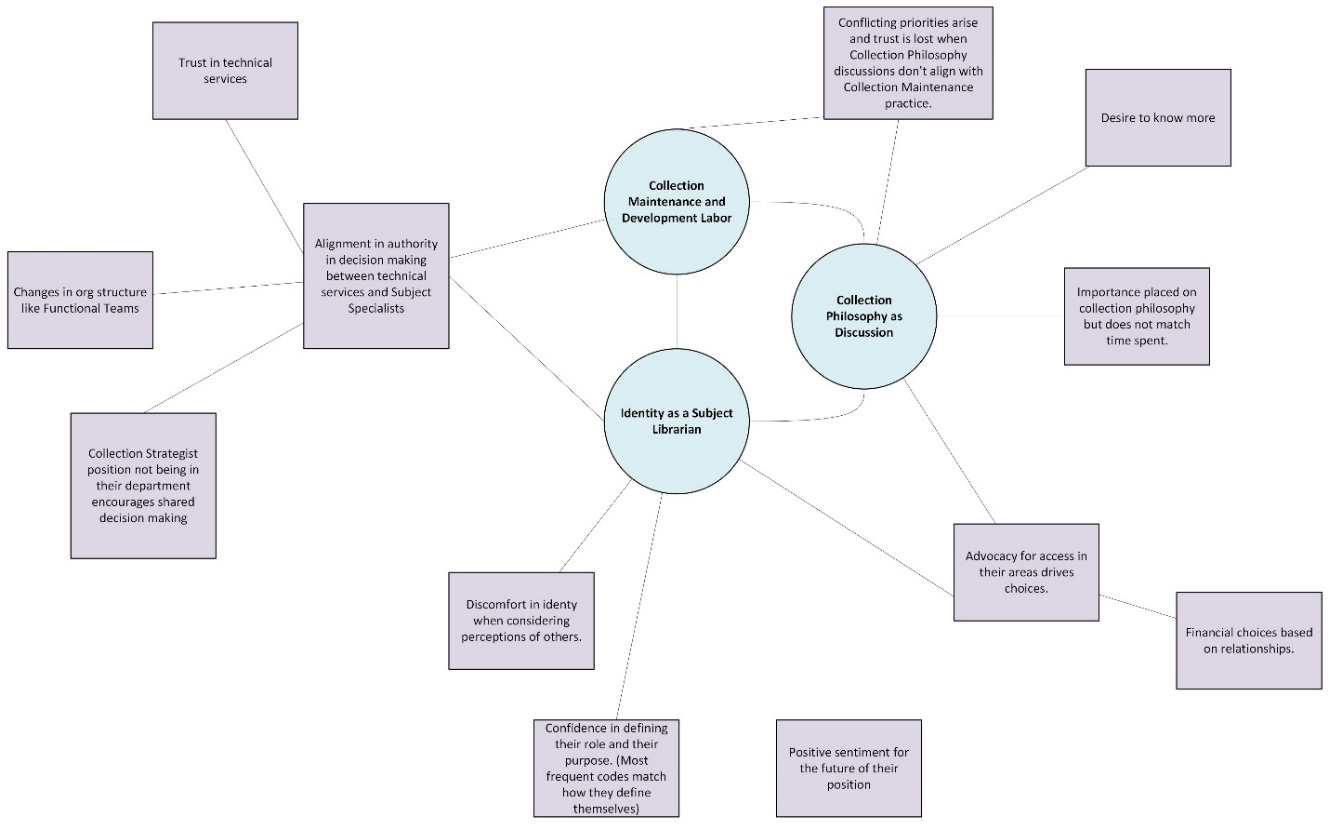
The research team conducted an initial round of coding using the first three finalized transcripts. Inductive coding was completed independently by each team member using the qualitative analysis software NVivo (version 15.2.2). Following this round, the team met to discuss initial findings and develop a preliminary codebook. The codebook was refined further. A second round of coding followed during which each team member analyzed six of the twelve finalized transcripts, resulting in two coders per interview to achieve intercoder agreement. To mitigate potential bias, researchers did not code transcripts from interviews they personally conducted. Over the course of four discussion meetings, the research team finalized the codebook and coding consensus was achieved through discussion. The research team developed and defined themes and subthemes further using mind mapping or theme mapping as described by Braun and Clarke (2006, pp. 89-91). A whiteboard was used to visually map these discussions. See Appendix B for final Codebook and final Thematic Mind Map.
Limitations
This study was limited to subject librarians at one institution, and the sample size was small (n=12). Despite the small sample size and specifics to one institution, a similar interview study could be conducted at other institutions to understand expectations of subject librarians at other academic libraries. Additionally, as shown in the literature review, there are ample studies and investigations into the history of subject librarianship, but very little direct reflection from subject librarians’ interpretations of changes in the profession. While interviews were unstructured, no additional follow-up was conducted to clarify meaning or elaborate on specific topics.
Findings and Discussion
During development of the Thematic Mind Map, three major themes emerged: Collection maintenance and development labor, collection philosophy as discussion, and identity as a subject librarian. It was evident from interview responses that misalignment in collection philosophy discussions and the actual labor and processes behind collection development and maintenance led to distrust of leadership and feeling undervalued by the rest of the library.
Yet, throughout the analysis, the research team found a surprising level of consistency within the interviews. Participants varied in years in the role, subject area domains, and connection to collections work within the library, but brought up many of the same sentiments. The codes Collaboration (COLL), Defining Collection Development (DEFI), Prep Work & Review Process (PREP) and Noted Strength (STRN) were represented in all twelve interviews. Advocacy (ADVO) and Financial Decision-Making (FINA) were often linked together, as were Expected Time Commitment (EXTC), Actual Time Spent (TIME) and Competing Priorities (PRIO). Most notably, newer librarians were more likely to discuss Self-Confidence (CONF), and Science Librarians were never coded with Misconceptions About Role (ROLE).
Identity as a Subject Librarian
Within discussions on roles, participants were generally able to define their role as subject librarian with confidence. There was a high degree of variance in the duties they described, but they expressed security in their own concept of the role using defining terms like “advocate,” “adviser,” “translator,” and “expert.” Additionally, they discussed being in tune with trends and even viewing patron needs through a “crystal ball.” However, they expressed deep and persistent concern with how others perceived their roles:
“So there’s just a real frustration for me to have the work that we do devalued and not even attempted to understand.”
This sentiment echoes findings in other studies which indicate that poor organizational communication, exclusion from decision-making, and refusal to acknowledge employee expertise have a deleterious effect on academic librarians’ morale (Kaufman et al., 2023).
Participants also used negative and emotionally charged language to describe impressions of the subject librarian role:
“I would hope… that subject librarianship wasn’t seen as an afterthought”
“Subject experts struggle to market internally”
“We need to stop being so nihilistic about what we do.”
Likewise, a sense of “other” was often expressed when describing their work. For example, “other librarians” or “one of those librarians” was often used to distinguish their own work. However, there wasn’t much clarity on where the impression of the “other” librarians came from. Participants did not point to specific practices or colleagues as much as they did their own concept of what others were doing in the role. In some cases, they were discussing the same principles while making othering statements.
“I know that some other librarians may take broad strokes … but [I] have to be very, very careful … not to discard a title essential to our current program offerings”
The literature on subject librarianship repeatedly mentions its ambiguous scope (Kranich et al., 2020; Michalak, 1976; Null, 1988; Wilson et al., 2024), suggesting that subject librarians’ sense of being “other” may derive from occupying a multi-hatted role with nebulous expectations for achieving outcomes.
Despite these othering statements, interview participants’ values and goals were generally aligned. They agreed on the functions and purpose of the subject librarian position. While some of their methods were different, their goals were the same. For example, the choice to purchase print or electronic access appears at odds with humanities favoring print, and the sciences favoring electronic access, but the goal is the same – meeting their patrons’ needs and preferences. These findings align with prior research, which points to a standard core purpose for subject librarianship despite evolving responsibilities and technological shifts (Smith, 1974; Wilson et al., 2024).
A disconnect in the realm of collaboration was also represented. Internal Collaboration (COLL) was the most prominent code identified by the researchers with 45 references, but Trust (TRST) was mentioned less than half as often (20 references). Collaboration and support were often reported as very impactful to the participants’ work, and they pointed to it directly as something they appreciated. However, they were less clear on their own role in the collaboration. Technical services personnel were pointed to as experts and trustworthy, but participants expressed expectation that they should be the decision-makers throughout, framing the collaboration as a service.
“If we felt strongly about something, we kept it. In the end, I didn’t change any of [the Assessment Project Librarians] decisions but felt comfortable because I looked deeply into the criteria and titles.”
“We’re capable, but I just don’t think it’s the best use of our expertise.”
“You all had even given your best guess as to what you thought the decision should be. It was more of just double-checking … But 99 out of 100 times, you all had also come to that same decision.”
The subject librarians provided a common understanding and general philosophy of their role in collection development and maintenance. Participants advocated for their role in the profession by centering their knowledge of the subjects and patrons they serve as their most valuable skills. Despite this unified thought process, trust in others’ understanding of that process was less prevalent. The perceived divide between subject librarians and other decision makers parallels the lack of trust between the two groups, as evidenced by the low amount of Trust (TRST) codes during the interviews. Many of the trust-specific references focused on specific people who they had pre-established work relationships with. Several librarians highlighted the importance of taking the time to meet with them directly. This connection between subject librarian philosophy and active collection maintenance is highly valued, but currently not highly perceived – mirroring sentiments found at other university libraries following major organizational shifts (Wilson et al., 2024; King et al, 2007; Tusa, 2019).
As well as indicating a philosophical question within the libraries, this dichotomy touches on time commitments as well. Participants were quick to indicate collection development as important – important to learn, to do, and as a core function of a subject librarian – but expressed anywhere from 10-30% of their working time was spent working with collection development. Pressure from administration to perform other duties contributed to competing priorities.
“But if we’re not doing a big project, this tends to be the thing that I drop first because it feels like lower consequences.”
“I wish I had more time to devote to collection development. I don’t really have as much time as I’d like.”
“… not like I sit down, and I spend 6 hours every week because there are days that we have a lot of people to cover the desk and there’s instructions, there’s committee work, and then there’s working, there’s outreach events, there’s working with grad students here and there.”
Several participants referred to library leadership, expressing how administrators do not understand the subject librarian role and a perceived preference to focus time and energy on other tasks. No respondents provided examples of people or methods they could use to communicate with leadership or other authority figures in collection management. Notably, when specific people were referenced by name, they were often middle managers or other staff and faculty below the level of library leadership.
Collection Development Tasks
Participants identified a wide range of topics as fitting under the collection development umbrella, as shown in Figure 1.
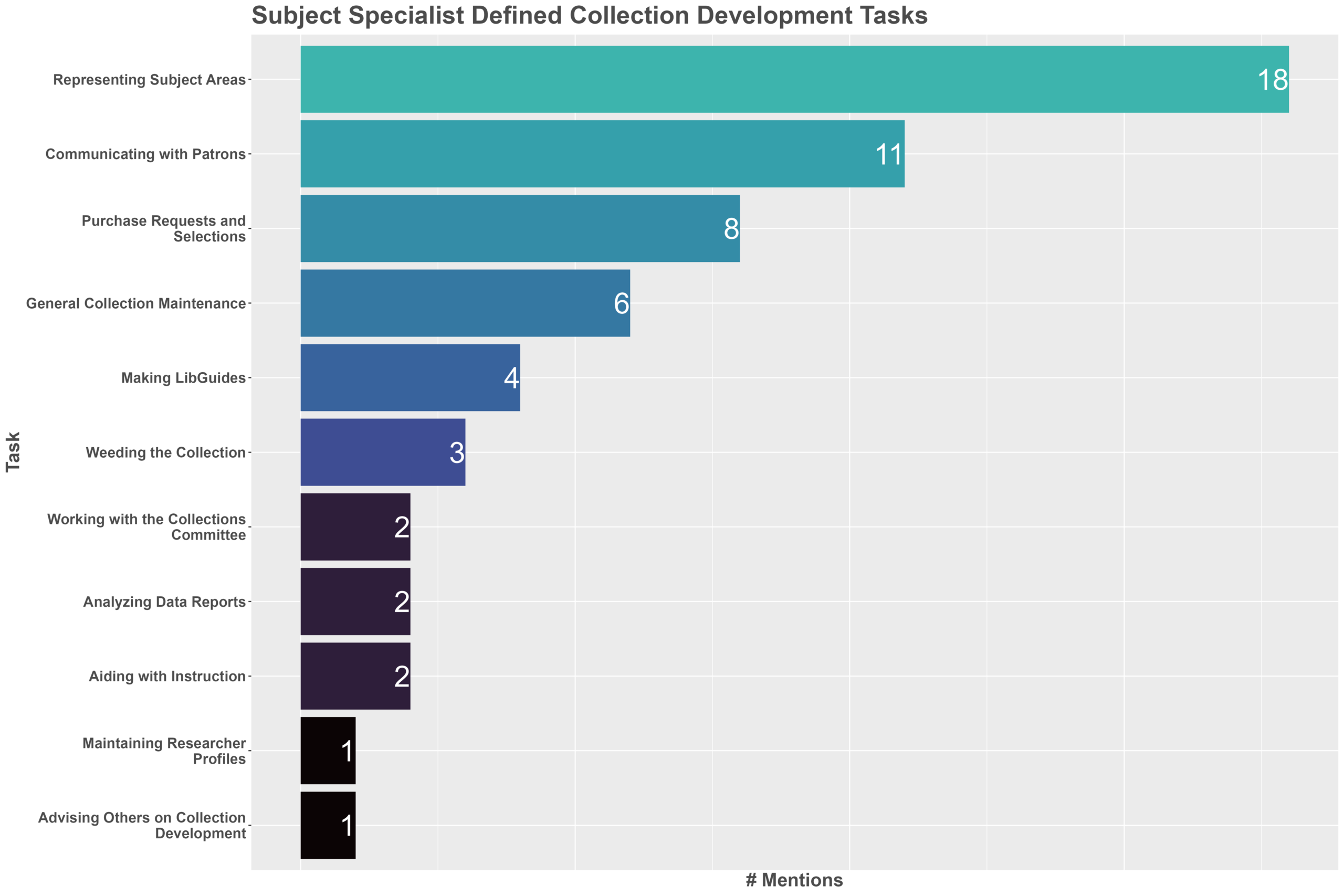 Fig. 1: Frequency of participants mentioned collection development tasks.
Several collection development tasks revolved around communication with others across campus. In particular, representing their subject areas in wider collection-related conversations and communicating information about the collection to patrons were highly cited collection development tasks.
“I talk a lot about that, especially during orientations. I’m the advocate for the library collection to my disciplines, but I’m also the advocate for my disciplines to the direction our collections are going.”
“So really, my communication skills. I think that’s vital, non-negotiable in a subject librarian.”
“So just being aware of what my patrons need essentially is my biggest role, I would say, for collection development.”
Several respondents also referenced various purchase decisions as part of their collection development time. While this was often discussed through purchase requests and selections, some mentioned their direct or indirect contributions to the UTK Libraries Collections Committee. Formed in 2019, the Committee consists of several subject librarians who investigate and determine purchase requests for high-cost acquisitions. One subject librarian actively serving at the time of their interview described the Committee as “straddl[ing] the line between service and collection development.”
This “line straddling” between traditionally defined collection development tasks and subject librarian roles was also apparent during interviews. For example, multiple participants specifically mentioned LibGuide maintenance as part of collection development, while others referenced their work aiding instructors and researchers as a collection development task. The wide variety of perceived collection development tasks appeared throughout the participants’ responses. Or, as one participant described, “I think I have a strong sense of our collection, what we have, and where our gaps are. And I think I can be pretty creative in coming up with workarounds and getting things done.”
Support and Requests
The interview question, “How do other library personnel contribute to collection development and collection maintenance?” elicited an inside look into subject librarians’ perceptions of how they are supported by library colleagues beyond their own departments. Multiple respondents recognized Assessment Programs & Collection Strategy, Acquisitions & Continuing Resources, Collection Management & Sharing, Cataloging, and Public Services departments as key contributors to the collection. These departments fall primarily under technical services. Notably, when referencing specific support they received, respondents tended to mention colleagues by name rather than identifying general departments or teams. Sometimes, when departments were mentioned, they were referenced by incorrect names. Although they knew which people to consult for certain tasks, respondents often indicated lacking a full understanding of how non-liaison areas, such as technical services, operate behind the scenes.
“Even though I’ve been working with [the Acquisitions Specialist] for three and a half, almost four years when it comes to ordering, I still had things I didn’t realize about her processes that suddenly I ran into. That’s not because she’s not clear. It’s just there are things each department does that might or might not be helpful for the other people in the process to know.”
Overall, the subject librarians acknowledged an interdependence between their work and technical services departments’ responsibilities. For instance, another respondent pointed to the level of expertise required to do acquisitions work, suggesting that the division of labor between subject librarians and functional specialists is necessary due to the complexity of each area.
“I can fill out a purchase request all day, but I don’t know how to do the purchase. I don’t know how to catalog it. I don’t know how to process it into the system. I don’t know how to deal with database vendors. So, I am always eternally grateful for the library personnel whose positions involve more collection development than mine because I consider them the subject experts when it comes to acquiring materials and that whole process, because it’s very much over my head.”
This response reinforces the foundational need for collaboration between subject librarians and functional specialists.
Respondents also discussed specific support they would like to see from technical services. These topics arose from the question, “In what areas of collection development or maintenance would you like additional support?”, but requests for support came up throughout the interviews. Responses were grouped into the topics shown in Figure 2.
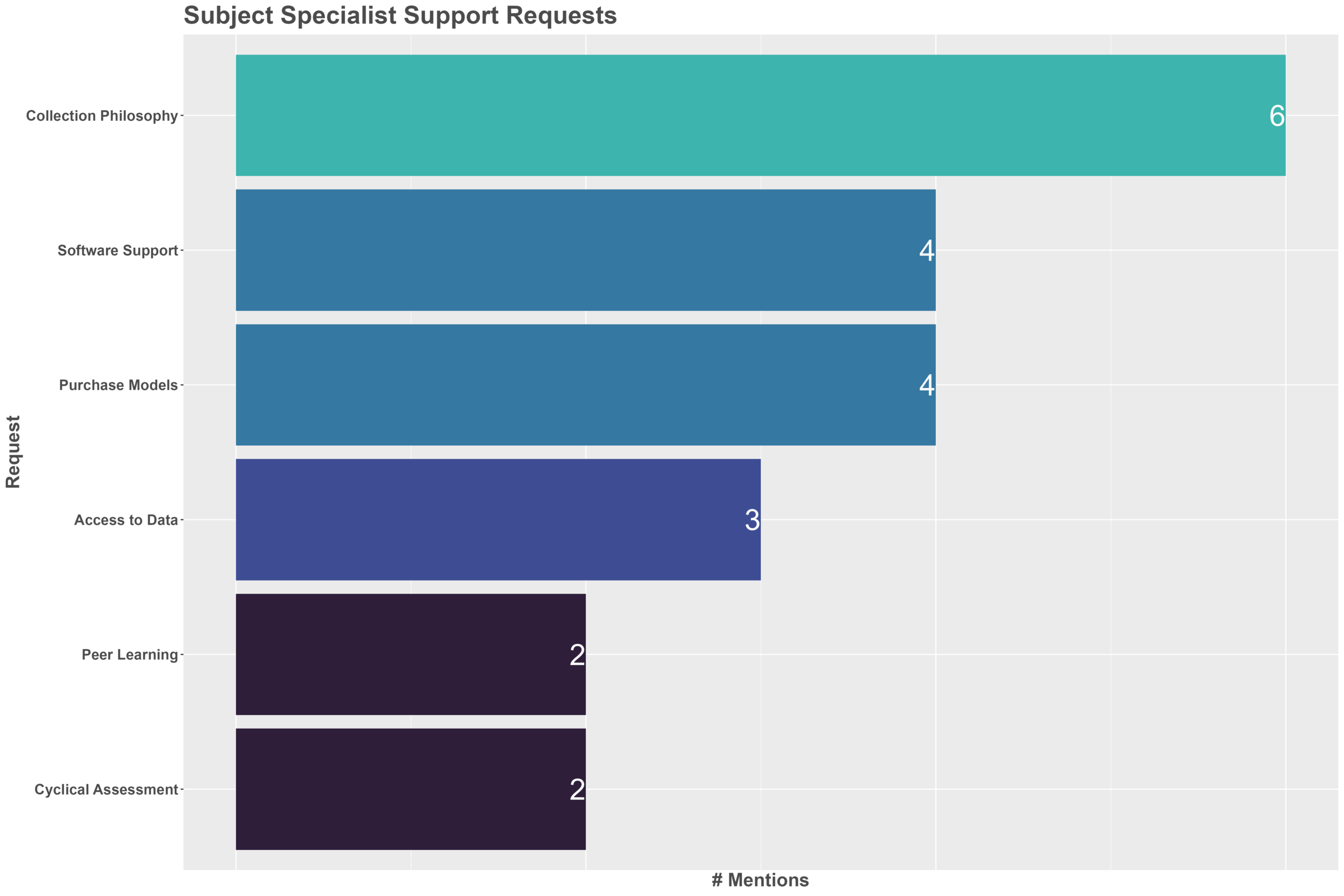 Fig. 2: Frequency of support requests mentioned by participants.
Six respondents discussed general collection philosophy support. They were interested in understanding why specific choices were made for the collection, creativity with space and the physical collection, and understanding the interplay between the subject areas. These responses suggest a misalignment in staff communication resulting from overarching organizational changes (Cox et al., 2019). Two respondents specifically mentioned support with cyclical assessments of the collection.
Four subject librarians were also interested in further understanding the systems used at the Libraries, such as software support for the interlibrary loan system and integrated library system. This included understanding how to access and interpret data from these systems as well. These librarians mentioned several software and workflows by name, but not all were fluent in specific terminology or aspects of those tools. Four subject librarians were interested in developing their knowledge of purchase models such as approval plans and electronic subscriptions.
Finally, subject librarians were interested in peer learning, expressing curiosity in what their fellow subject librarians’ work looked like. From better understanding of the collection maintenance lifecycle to knowledge of emerging technologies and their subject more broadly, subject librarians expressed a desire for professional growth. Respondents who had experience learning from external subject librarians also shared how it positively impacted the way they view their work.
“Also, I don’t know if this is a weird thing to say, but I do also like to see what other people are doing. So understanding how other subject liaisons are making their decisions, or how involved people are in their collections…”
It is evident from the above support requests that subject librarians are interested in expanding their knowledge of collection development and maintenance. They desire consistency in their practices and a deeper understanding of the choices made for the collection. As selections increasingly move towards software and data-driven philosophies, ensuring every person involved with collection development and maintenance is on the same page is especially important. While there are countless webinars, trainings, and courses available through library organizations, on-the-job training and mentorship are proven methods for skill building in collection development (Lattimore & Grombly, 2025; Malecki & Bonanni, 2020). Providing subject librarians with the tools to grow their skills will improve selection efficiency but may also grow trust between subject librarians and other decision-makers in the library.
Future Outlook
One of the final questions during the interview asks, “How do you hope your role as a subject liaison evolves in the future?” Responses where the subject librarian described the future of their profession were coded as Future Outlook (FUTR), then further broken up into topics, as shown in Figure 3.
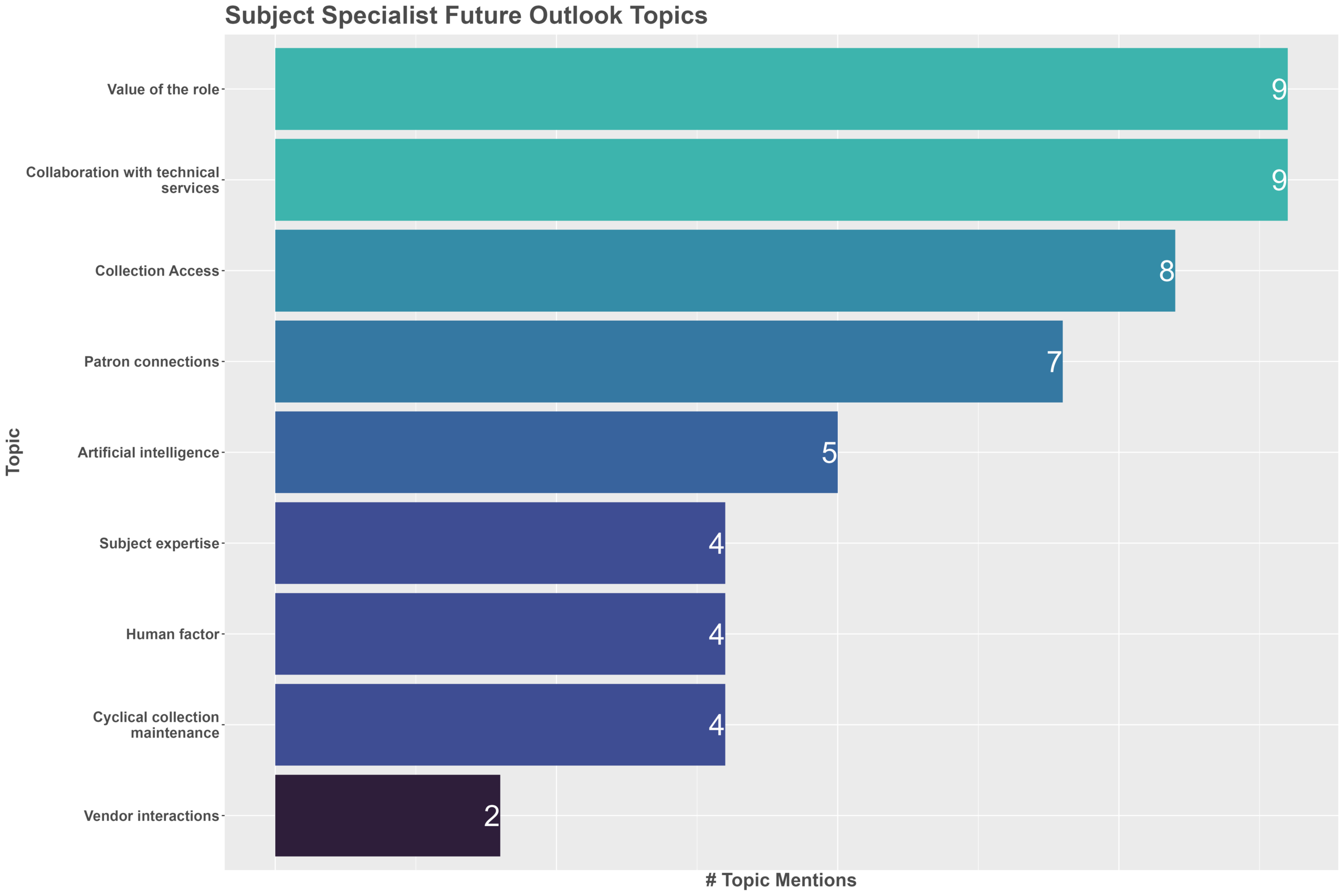 Fig. 3: Frequency of participants mentioned future outlook topics.
Respondents discussed relationship building and described how they saw human connection as more valuable in an increasingly technological world. They are interested in better internal connections within the library and better external connections with patrons. Internal connections focused on teamwork and collaboration. External connections focused on communicating with online students, being more embedded in classes, and building stronger connections to programs. They also discussed interactions with vendors and expressed concerns about poor vendor communication and vendors developing “research tools” that may impact libraries’ future work in supporting quality research. Overall, though, respondents were interested in building stronger relationships with people.
Respondents were also interested in making collection development and maintenance part of their day-to-day work as opposed to large project-based work.
“I look forward to a time where, instead of doing a big catch-up, we’re all just like, ‘Hey, I was looking at this, and I want to act on that.’ I guess feeling more engaged in the process. I want to not be as intimidated by the decisions or conversations. I think part of that is just making it a more regular thing. It’s not a special thing to be thinking about the collection and where it’s going and what we’re doing. It’s just kind of a routine. You do your little check-up every two weeks or every month, and have it become so routine that it’s almost boring. It’s just a thing I do, rather than, ‘Alright, we’re doing collection stuff today.'”
Respondents discussed Artificial Intelligence and its impact on patron interactions. Discussion of AI was more about awareness and an interest in how libraries will adapt. Similarly, respondents discussed collection access including awareness of physical space constraints, physical collection decision making, and concerns about perpetual electronic access. Responses expressed awareness of technological changes and curiosity about how libraries will function in these new realities.
Most interestingly, nine respondents discussed concerns about showing the value of their role as a subject librarian. Somewhat connected, four respondents discussed concerns about a lack of subject expertise with the implementation of the team model and push for more functional expertise. Two respondents specifically mentioned concerns that library administration did not know what subject librarian’s work involved. One respondent even mentioned hesitancy about “being on the record” criticizing functional teams. Despite the optimism of relationship building and their noted strength in providing human interaction, some expressed feeling devalued or stretched too thin.
“Some departments and colleges are getting super duper service, and some are getting just service. I wish that every department was given equal footing so they could get the most out of it. That’s not to say the folks doing it part-time aren’t doing their best or a great job, but it’s just… It’s not fair to either.”
Regardless of perceived misunderstandings of the purpose of subject librarianship and feeling undervalued, the majority of responses leaned optimistic. Even responses that expressed concern showcased resilience and hope.
“My entire career, people have told me that libraries weren’t going to exist. We exist. We have existed and will continue to exist. Even if it looks different and it’s more a team-based model in the future, I don’t think that’s a bad decision. But I do think that the personal touch matters in a world that is getting more and more disconnected.”
“…I only persevere because I’m a freaking librarian, and it’s my job.”
Conclusion
This study endeavors to understand subject librarians’ perspectives of their role in collection development and maintenance in academic libraries. While subject librarians often described feeling undervalued and underappreciated, they maintained a shared sense of purpose for the library. Their human touch and connection with patrons were seen as their greatest value, but their biggest concern was affirming that value, especially to library administrators.
In a field that increasingly requires librarians to communicate their value to the communities they serve, it is imperative that subject librarians can tell their story. Throughout this study, the perceived inability to communicate value created a throughline, highlighting a lack of trust within a library and its effect on collaboration and collections work. Workplace culture and administrative communication contribute more to a breakdown in shared expectations than any concerns with a colleague’s expertise or knowledge. Unintentional divides in how collection work was distributed historically further perpetuates an isolation effect and a breakdown in collaborative understandings of collection work.
Looking ahead, technical services staff plan to support subject librarians through better data on the work they are completing so they may better tell their story. The goal is to highlight areas of alignment across the group, regardless of subject expertise or years of experience. Current findings suggest the program is siloed, contributing to perceptions of poor communication and misaligned goals. Strengthening the team-based model could help subject librarians better articulate their collective value and recognize greater alignment than is currently perceived.
The research team plans to support subject librarians through more targeted training and skill-building in collection management tools and decision making. It is also evident from this study that while there is much discussion about our library’s collection philosophy, our collection development and maintenance practices do not always align with our philosophy. This is where trust between behind-the-scenes librarians and patron-facing librarians breaks down. A greater emphasis will be placed on fulfilling our collection philosophy and continuing a practice of shared decision making.
References
Arendt, J., & Peacemaker, B. (2023). Liaison Librarian Programs as Described on U.S. College and University Library Websites. The Journal of Academic Librarianship, 49(6), 102792. https://doi.org/10.1016/j.acalib.2023.102792
Bishop, B. W., Gavel, S., Chapin, E., Fernandez, P., & Allard, S. (2023). Science, Technology, Engineering, and Mathematics (STEM) Liaison Librarians: Perspectives on Functions and Frequencies for Serving Academic Researchers. Library & Information Science Research, 45(4), Article 101265. https://doi.org/10.1016/j.lisr.2023.101265
Braun, V., & Clarke, V. (2006). Using Thematic Analysis in Psychology. Qualitative Research in Psychology, 3(2), 77–101. https://doi.org/10.1191/1478088706qp063oa
Church-Duran, J. (2017). Distinctive Roles: Engagement, Innovation, and the Liaison Model. Portal: Libraries and the Academy 17(2), 257-271. https://dx.doi.org/10.1353/pla.2017.0015
Cox, A. M., Pinfield, S., & Rutter, S. (2019). Extending McKinsey’s 7S Model to Understand Strategic Alignment in Academic Libraries. Library Management, 40(5), 313–326. https://doi.org/10.1108/LM-06-2018-0052
Danton, J. P. (1967). The Subject Specialist in National and University Libraries, with Special Reference to Book Selection. Libri, 17(1–4), 42–62. https://doi.org/10.1515/libr.1967.17.1-4.42
Gould, E. M., & Mezick, J. A. (2021). Communication between Technical Services and Subject Librarians: An Exploratory Study. Technical Services Quarterly, 38(4), 341–366. https://doi.org/10.1080/07317131.2021.1973794
Gunpala, M., Montague, A., Reynolds, S., & Vo-Tran, H. (2020). Managing Change in University Libraries in the 21st Century: An Australian Perspective. Journal of the Australian Library and Information Association, 69(2), 191-214. https://doi.org/10.1080/24750158.2020.1756598
Hahn, K. (2009). Introduction: Positioning Liaison Librarians for the 21st Century. Research Library Issues: A Bi-monthly Report from ARL, CNI, and SPARC, 265 (1-2), http://publications.arl.org/rli265/2
Hay, F. J. (1990). The Subject Specialist in the Academic Library: A Review Article. The Journal of Academic Librarianship, 16(1), 11–17.
Hoodless, C., & Pinfield, S. (2018). Subject vs. Functional: Should Subject Librarians be Replaced by Functional Specialists in Academic Libraries? Journal of Librarianship and Information Science, 50(4), 345–360. https://doi.org/10.1177/0961000616653647
Jaguszewski, J. M., & Williams, K. (2013). New Roles for New Times: Transforming Liaison Roles in Research Libraries. https://www.arl.org/resources/new-roles-for-new-times-transforming-liaison-roles-in-research-libraries/
Johnson, A. M. (2018). Connections, Conversations, and Visibility: How the Work of Academic Reference and Liaison Librarians Is Evolving. Reference and User Services Quarterly, 58(2), 91–102. https://doi.org/10.5860/rusq.58.2.6929
Kaufman, A., Weber, M., & Heady, C. (2023). The Dysfunctional Library and Academic Librarian Turnover. In S. Acadia (Ed.), Libraries As Dysfunctional Organizations and Workplaces (1st ed., Vol. 1, pp. 51–71). Routledge. https://doi.org/10.4324/9781003159155-2
King, S., Metcalf, M., & Larkin, M. (2007). Tackling the Reorganization Chart. The Serials Librarian, 52(3–4), 311–316. https://doi.org/10.1300/J123v52n03_10
Kranich, N., Lotts, M., Nielsen, J., & Ward, J. H. (2020). Moving from Collecting to Connecting: Articulating, Assessing, and Communicating the Work of Liaison Librarians. Portal: Libraries and the Academy, 20(2), Article 753299. https://doi.org/10.1353/pla.2020.0015
Lattimore, K., & Grombly, A. A. (2025). Building Collection Development Skills for Early Career Academic Librarians. Journal of the Australian Library and Information Association,
74(4), 642–654. https://doi.org/10.1080/24750158.2025.2561210
Law, D. (1999). The Organization of Collection Management in Academic Libraries. In C. Jenkins & M. Morley (Eds.) Collection Management in Academic Libraries (2nd ed., pp. 15-37). Gower.
Logue, N., Garner, J. C., & Hendren, S. (2026). Interventions for Reducing, Preventing, or Overcoming Librarian Burnout: A Scoping Review. College & Research Libraries, 87(1), 20–38. https://doi.org/10.5860/crl.87.1.20
Malecki, A. L., & Bonanni, M. (2020). Mentorship programs in academic libraries. Public Services Quarterly, 16(1), 35–40. https://doi.org/10.1080/15228959.2019.1701613
Michalak, T. J. (1976). Library Services to the Graduate Community: The Role of the Subject Specialist Librarian. College & Research Libraries, 37(3), 257–265. https://doi.org/10.5860/crl_37_03_257
Nardine, J. (2019). The State of Academic Liaison Librarian Burnout in ARL Libraries in the United States. College & Research Libraries, 80(4), 508–524. https://doi.org/10.5860/crl.80.4.508
Nero, N., & Langley, A. (2017). Subject Liaisons in Academic Libraries: An Open Access Data Set from 2015. Portal: Libraries and the Academy, 17(1), 5–15. https://dx.doi.org/10.1353/pla.2017.0001
Null, D. G. (1988). Robbing Peter… Balancing Collection Development and Reference Responsibilities. College & Research Libraries, 49(5), 448-452. https://doi.org/10.5860/crl_49_05_448
Pinfield, S. (2001). The Changing Role of Subject Librarians in Academic Libraries. Journal of Librarianship and Information Science, 33(1), 32–38. https://doi.org/10.1177/096100060103300104
Resnis, E., & Natale, J. (2017). Steering Change in Liaisonship: A Reverse Engineering Approach. ACRL 18th National Conference, 662-668. https://alair.ala.org/items/60842156-bfee-4f8a-a6a6-4520343082d8
Rosener, A., Frigo, E., O’Kelly, M., Psyck, E., & Ranger, K. (2016). A Tale of Two Position Descriptions: Writing a New Liaison Librarian Position Description. Library Leadership & Management, 30(4), 1D. https://doi.org/10.5860/llm.v30i4.7174
Schlak, T. (2022). Leadership and Social Capital: What Library Leaders Need to Know about Trust, Values, and Bridge Building. Journal of Library Administration, 62(2), 235–242. https://doi.org/10.1080/01930826.2022.2026122
Schoonover, D., Kinsley, K., & Colvin, G. (2018). Reconceptualizing Liaisons: A Model for Assessing and Developing Liaison Competencies to Guide Professional Development. Library Leadership & Management, 32(4), 1–36. https://doi.org/10.5860/llm.v32i4.7275
Smith, E. (1974). The Impact of the Subject Specialist Librarian on the Organization and Structure of the Academic Research Library. In E. I. Farber & R.
Walling (Eds.) The Academic Library: Essays in Honor of Guy R. Lyle (pp. 71-81). Scarecrow Press.
Sullo, E., & Gomes, A. W. (2016). A Profession Without Limits: The Changing Role of Reference Librarians. Medical Reference Services Quarterly, 35(2), 145–157. https://doi.org/10.1080/02763869.2016.1152141
Tusa, S. (2019). Perspectives on Library Reorganization. Serials Review, 45(3), 163–166. https://doi.org/10.1080/00987913.2019.1644483
Wilson, D. (2024). Constant Change or Constantly the Same? A Historical Literature Review of the Subject Librarian Position. College & Research Libraries, 85(7), 1035–1053. https://doi.org/10.5860/crl.85.7.1035
Whatley, K. M. (2009). New Roles of Liaison Librarians: A Liaison’s Perspective. Research Library Issues, (265), 29–32. https://publications.arl.org/o4k49/
Wilson, D. E., Campbell, K., & Beals, I. (2024). Subject Librarian Definition and Duties: Connecting the Library and the University. The Journal of Academic Librarianship, 50(3), 102867. https://doi.org/10.1016/j.acalib.2024.102867
Appendix A: Interview Development
Interview Questions (developed by the authors)
Introductions
- How many years have you been employed as a subject liaison?
- What is your current subject domain (i.e. Science, Social Science, Humanities)?
The Hoskins Serials Review
- What worked well in the Hoskins Serials Review?
- What were pain-points or barriers to you completing your review?
- What was the most valuable piece of information to you when making a collection decision during the Hoskins Serials Review?
Collection Responsibilities
- How would you describe the role of a subject liaison in collection development?
- In an average semester, what percentage of your time do you think should be dedicated to collection development and maintenance for your subject areas? How does this compare to the time you actually spend?
- What do you consider to be your greatest strength in collection development? In what areas of collection development or maintenance would you like additional support?
- How do other library personnel contribute to collection development and collection maintenance?
- How do you hope your role as a subject liaison evolves in the future?
- Is there anything else you’d like to share?
Appendix B: Thematic Coding
Codebook (developed by the authors)
| Codes | Term/Phrase | Definition |
|---|---|---|
| Collection maintenance and development labor | This parent code encompasses child codes related to the practice of developing and maintaining the collection. | |
| COLL | Internal collaboration | References to departments and people within the library that interact to accomplish collections work. |
| PREP | Prep work & review process | The labor tech services did for the physical serials review prior to meeting with librarians, including gathering and formatting relevant data, and instructions provided for performing the review. |
| COMM | Communication | The idea that tech services facilitates open communication channels (e.g., via regular check-ins) and provides communication in a variety of formats. |
| TRST | Trust in others’ decision making | Describes the level of confidence librarians felt in the proposed decisions, evidence, and data provided by tech services. |
| TIME | Time commitments (actual time) | Comments on how much actual time (as opposed to expected time) the subject specialist spends on collections work. |
| FINA | Financial decision making | Librarians share their perspective on how financial considerations play into collections development and maintenance. |
| TECH | Technology/software | References to technology and software (e.g., ILS, acquisition platforms) that are involved with collections work. |
| PAST | Reference to other past review | Librarian mentions their experience with a past collection review project. |
| VEND | Vendors | Discussion of how vendors' practices, interactions, etc., plays into collections development and maintenance. |
| IMPR | Improvement request | Librarian mentions something that could be improved about the physical serials review or collection maintenance work in general. |
| FLEX | Flexibility (schedule, people) | Comments on librarian autonomy to perform collections work (e.g., serials review) on their own schedule, as well as flexibility of staff members in collections-focused departments (tech services). |
| KNOW | Knowledge building | Librarian mentions desire for additional training, presentations, support, etc., to improve their ability to perform collections work. |
| Identity as a subject librarian | This parent code encompasses child codes related to how subject librarians identify themselves and their role in the libraries. | |
| PRIO | Conflicting priorities | Any mention of conflicts on what to prioritize in collection management, either internally or externally. |
| DUTY | Duty as subject expert | Times when a librarian references being a subject expert and the responsibility they feel they have as a result of that. |
| EXPE | Experience | References to a librarian's experience (or lack thereof) and how that experience (or lack thereof) affects their role in the libraries. |
| CONF | Self- Confidence | Librarian mentions confidence in their decision making. |
| FUTR | Future Outlook | Times when a librarian talks about how they see the future of their role evolving and the pros or cons of their beliefs. |
| ROLE | Misconceptions about role | Librarian expresses anguish over how other people or groups view their role and how that is opposed to their own personal view of their role. |
| STRN | Noted strength | Any mention of a librarian's strength when it comes to their job. |
| TYPE | Type of librarian | Times when a librarian describes, in their own words, the "type" of librarian they are or are not. |
| Collection philosophy as discussion | This parent code encompasses child codes related to the theory behind collection development and maintenance expressed by librarians. | |
| ACCS | Access | Librarian mentions access to materials or the collection. Either lack of access or available access. |
| ADVO | Advocacy & responsibility | Librarian mentions privilege, R1 universities, advocating for community or others, or responsibility to community or others. |
| BUDG | Budget philosophy | Discussion of budget in a theoretical sense including ideas like frugality, budget guidelines, or financial obligations as an institution. |
| DEFI | Defining collection development | Librarians discuss activities as collection development activities. This can be in or out of scope of traditional collection development. |
| EXTC | Expected time commitment | Comments on how much time subject specialist SHOULD spend on collection work. The expected time commitment. |
| RELA | Relationships | Comments on building relationships or relationship dynamics that impact collection decisions. This includes positive and negative experiences described. |
Thematic Mind Map (developed by the authors)